

Key takeaways
- Detroit, Pittsburgh, and St. Louis are the most affordable cities in the U.S., balancing relatively high incomes and low housing costs.
- The Midwest and Northeast are home to all of the cheapest places to live—although they are also becoming increasingly competitive.
- Home prices are still rising in many parts of the country, but slower growth is helping affordability improve in some markets.
Housing affordability remains one of the biggest challenges for Americans in 2026. Home prices grew exponentially during the pandemic housing boom, and while price growth has since slowed, a majority of people are still spending an outsized share of their income on housing. In fact, the typical homebuyer today spends about 40% of their income on monthly housing payments—well above the traditional affordability benchmark.
Still, some cities are far more affordable than others. In many Midwest and Northeast metros, lower home prices and relatively strong local incomes keep homeownership within reach.
So, which U.S. cities are still affordable, and where is affordability improving? Let’s take a look at the most affordable places to live in and buy a house in 2026—where housing remains reasonably priced and the cost of living is more manageable.
The 10 most affordable cities in the U.S.
1. Detroit, MI
77.5% of homes affordable on area’s median income | +5.5% year over year
- Median household income: $65,687
- Median sale price: $211,000
- Median rent price: $1,200
- Income needed to afford median-priced home: $51,489
- Share of income needed to afford a typical home: 23.5%
- Cost of living: 1% lower than the national average
Detroit, the automobile mecca turned comeback city, is the most affordable city in the U.S. It’s so affordable largely because it’s still recovering from decades of economic and population decline, which culminated in bankruptcy in 2013.
Today, rent and house prices are far below national rates, and the typical salary generously covers the standard monthly housing payment. Affordability improved in the last year, but house prices are now climbing as demand rises.
Detroit homes for sale | Detroit houses for rent | Detroit apartments for rent

2. St. Louis, MO
66.9% of homes affordable on area’s median income | +6.4% year over year
- Median household income: $88,593
- Median sale price: $282,600
- Median rent price: $1,245
- Income needed to afford median-priced home: $71,407
- Share of income needed to afford a typical home: 24.2%
- Cost of living: 11% lower than the national average
St. Louis sits in a sweet spot for big-city living without the steep price tag. You can catch a Cardinals game at Busch Stadium, tour craft breweries, or explore an arts scene spanning the Delmar Loop to Grand Center.
But what really hooks newcomers is St. Louis’s Midwest friendliness and affordability. The city has an especially low cost of living, with housing, healthcare, everyday errands, and nights on the town all running 7-21% below the national average.
St. Louis homes for sale | St. Louis houses for rent | St. Louis apartments for rent

3. Pittsburgh, PA
64.8% of homes affordable on area’s median income | +1.2% year over year
- Median household income: $83,419
- Median sale price: $265,000
- Median rent price: $1,525
- Income needed to afford median-priced home: $67,470
- Share of income needed to afford a typical home: 24.3%
- Cost of living: 8% lower than the national average
Pittsburgh is the best place to live in Pennsylvania for a reason. Once defined by steel mills, it’s now home to cutting-edge tech companies and a growing population—while remaining the third-cheapest housing market in the country.
In recent years, Pittsburgh has gotten more expensive as demand for lower-cost housing eats away at the city’s supply. Still, the Steel City is far more affordable than most places in the U.S., and is a great option for those looking for more space and lower housing costs than nearby East Coast cities.
Pittsburgh homes for sale | Pittsburgh houses for rent | Pittsburgh apartments for rent

4. Cleveland, OH
62.7% of homes affordable on area’s median income | +3.6% year over year
- Median household income: $78,519
- Median sale price: $255,000
- Median rent price: $1,225
- Income needed to afford median-priced home: $67,545
- Share of income needed to afford a typical home: 25.8%
- Cost of living: 7% lower than the national average
Cleveland is shedding its Rust Belt image, boasting an economy powered by healthcare, tech, and finance—and housing that won’t sink your budget. Whether it’s a revitalized Victorian in Ohio City or a modern loft near Lake Erie, Cleveland’s housing market is hard to beat. Combined with a low cost of living and solid median income, it’s clear why Cleveland is among the most affordable cities in the U.S.
Cleveland homes for sale | Cleveland houses for rent | Cleveland apartments for rent

5. Warren, MI
61.3% of homes affordable on area’s median income | +7.7% year over year
- Median household income: $96,676
- Median sale price: $325,000
- Median rent price: $1,400
- Income needed to afford median-priced home: $79,594
- Share of income needed to afford a typical home: 24.7%
- Cost of living: 1% lower than the national average
Just north of Detroit, Warren might not get the same buzz as its big-city neighbor. But, with relatively affordable housing, above-average incomes, and plenty of attractions, there’s a reason the city is more popular than most in Michigan.
Like Detroit, Warren experienced a significant decline in the 2000s-2010s, leaving many homes empty and a downtown in need of refresh. But thanks to a concerted effort to bring the automobile industry back to the area—with a focus on EVs—the city has started on a new path of revitalization. As part of its efforts, Warren is pushing to build its own downtown.
Warren homes for sale | Warren houses for rent | Warren apartments for rent

6. Baltimore, MD
60.9% of homes affordable on area’s median income | +4.2% year over year
- Median household income: $112,328
- Median sale price: $399,000
- Median rent price: $1,650
- Income needed to afford median-priced home: $99,471
- Share of income needed to afford a typical home: 26.6%
- Cost of living: Similar to the national average
Baltimore could be the perfect fit for those looking for lower-cost housing in a bustling East Coast metro. Traditional row houses in neighborhoods like Canton or Federal Hill still come at manageable prices, and the revitalized waterfront buzzes with fresh dining and entertainment options.
Compared to nearby East Coast cities like Washington, D.C. and Philadelphia, Baltimore buyers can often get more space for less money.
Baltimore homes for sale | Baltimore houses for rent | Baltimore apartments for rent
7. Indianapolis, IN
60.9% of homes affordable on area’s median income | +4.8% year over year
- Median household income: $90,927
- Median sale price: $315,000
- Median rent price: $1,500
- Income needed to afford median-priced home: $79,398
- Share of income needed to afford a typical home: 26.2%
- Cost of living: 10% lower than the national average
Indianapolis is an attractive choice for those seeking urban life without the high price tag. Local wages generally surpass what’s needed to afford a typical monthly house payment. Plus lower-than-average grocery and utility costs help make Indy among the most affordable places to live and buy a house.
However, like nearly every city in America, housing affordability has declined for Indianapolis’ lower income population, as economic struggles weigh on the more vulnerable.
Indianapolis homes for sale | Indianapolis houses for rent | Indianapolis apartments for rent
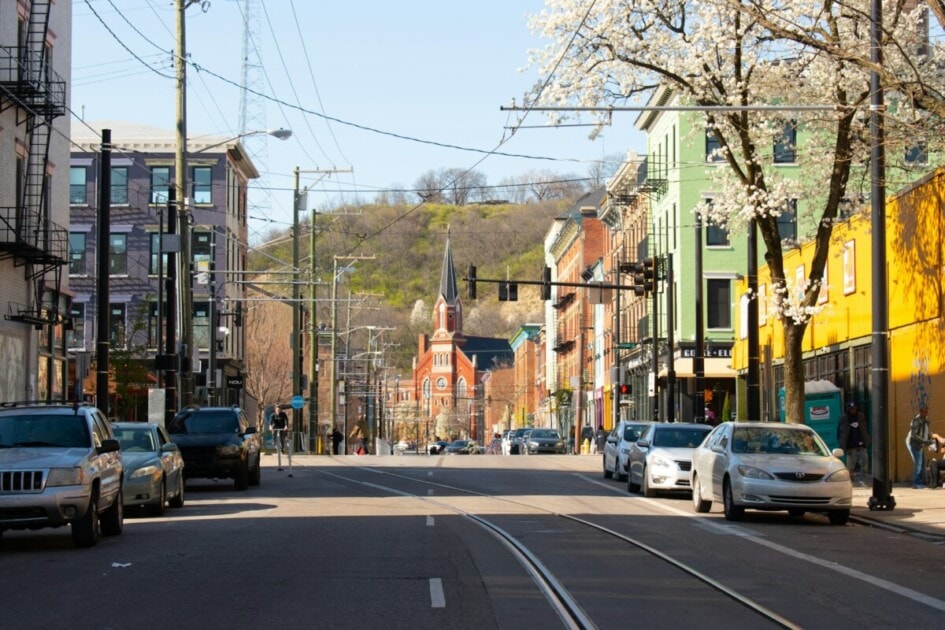
8. Cincinnati, OH
55.6% of homes affordable on area’s median income | +1.3% year over year
- Median household income: $89,002
- Median sale price: $313,000
- Median rent price: $1,410
- Income needed to afford median-priced home: $78,598
- Share of income needed to afford a typical home: 26.5%
- Cost of living: 3% lower than the national average
Cincinnati may be a former Rust Belt city, but today it’s an affordable metro embracing growth and modernization. Revitalization plays a large role in residents’ lives, as the city pushes to improve infrastructure and spur economic growth. Today, Cincy is the leading employment hub in Ohio.
Beyond economics, the recently-completed Over-the-Rhine project transformed Cincinnati’s downtown into a shopping and entertainment destination, while the Ohio Riverfront gained a hip new neighborhood, called The Banks.
Cincinnati homes for sale | Cincinnati houses for rent | Cincinnati apartments for rent

9. Chicago, IL
55.1% of homes affordable on area’s median income | +13.4% year over year
- Median household income: $98,502
- Median sale price: $390,000
- Median rent price: $2,045
- Income needed to afford median-priced home: $92,332
- Share of income needed to afford a typical home: 28.1%
- Cost of living: 18% higher than the national average
Chicago’s sprawling footprint is home to everything from world-famous art, to iconic skyscrapers, to quaint lakeside parks. But, because of its size, the cost of living varies widely depending on where you live. House prices reach into the millions in neighborhoods like Winnetka and Gold Coast, for example, while Avalon Park and Cottage Grove Heights are much more affordable.
Regardless, strong median incomes and home prices that are relatively low for a major metro are how Chicago earned its number nine spot.
Chicago homes for sale | Chicago houses for rent | Baltimore apartments for rent

10. Minneapolis, MN
54.7% of homes affordable on area’s median income | +6.1% year over year
- Median household income: $108,714
- Median sale price: $393,000
- Median rent price: $1,645
- Income needed to afford median-priced home: $99,025
- Share of income needed to afford a typical home: 27.3%
- Cost of living: 8% lower than the national average
Minneapolis is among the most walkable and bikeable cities in the U.S., but it also stands out for its affordability. Buoyed by a wide variety of major employers, above-average median incomes, and an array of housing options in neighborhoods like Bryn-Mawr and Phillips, it’s not a major challenge finding a home within budget.
Minneapolis homes for sale | Minneapolis houses for rent | Minneapolis apartments for rent
Why is the Midwest so affordable?
The Midwest and Northeast are home to a majority of the most affordable housing markets in the U.S., with most clustered around the Great Lakes. These areas remain relatively affordable in large part because of their economic past. Decades of industrial decline from the 1960s through the 2010s dampened home values and slowed population growth, leading many to be labeled “Rust Belt” cities.
However, as affordability has become increasingly strained nationwide, many homebuyers are now flocking to these once-overlooked metros in search of lower-cost options. This shift has led to a surge in demand and renewed momentum for revitalization efforts. But with demand rising against a limited and aging housing supply, prices are now climbing faster than the national average.
How much home can you afford?
Experts generally suggest spending less than 30% of your income on housing, but in today’s market, most households spend more than that.
Regardless, it’s important to determine how much home you can afford. Here are a few tools to help:
If you decide you’re ready to enter the market, make sure to get pre-approved for a mortgage to get the ball rolling smoothly.
>> Looking for more affordable options? Check out the cheapest states to buy a house or cities that pay you to move there.
Methodology
Rankings are based on an April 2026 Redfin analysis of housing affordability across the 50 largest U.S. core-based statistical areas (“cities,” ”metros”). The analysis focused on the share of active listings that are affordable to someone earning the area’s median income. A home was considered “affordable” if its corresponding monthly payment was no more than 30% of median monthly earnings, assuming a 20% down payment, typical taxes and fees, and a 30-year mortgage. Cities with the highest share of affordable listings ranked as the most affordable.
All housing data came from a Redfin analysis of MLS and U.S. Census data. Rental data came from Zillow. Cost-of-living data came from The Cost of Living Index (COLI) from the Council for Community and Economic Research. Detroit’s cost of living was also used for Warren due to insufficient data.