
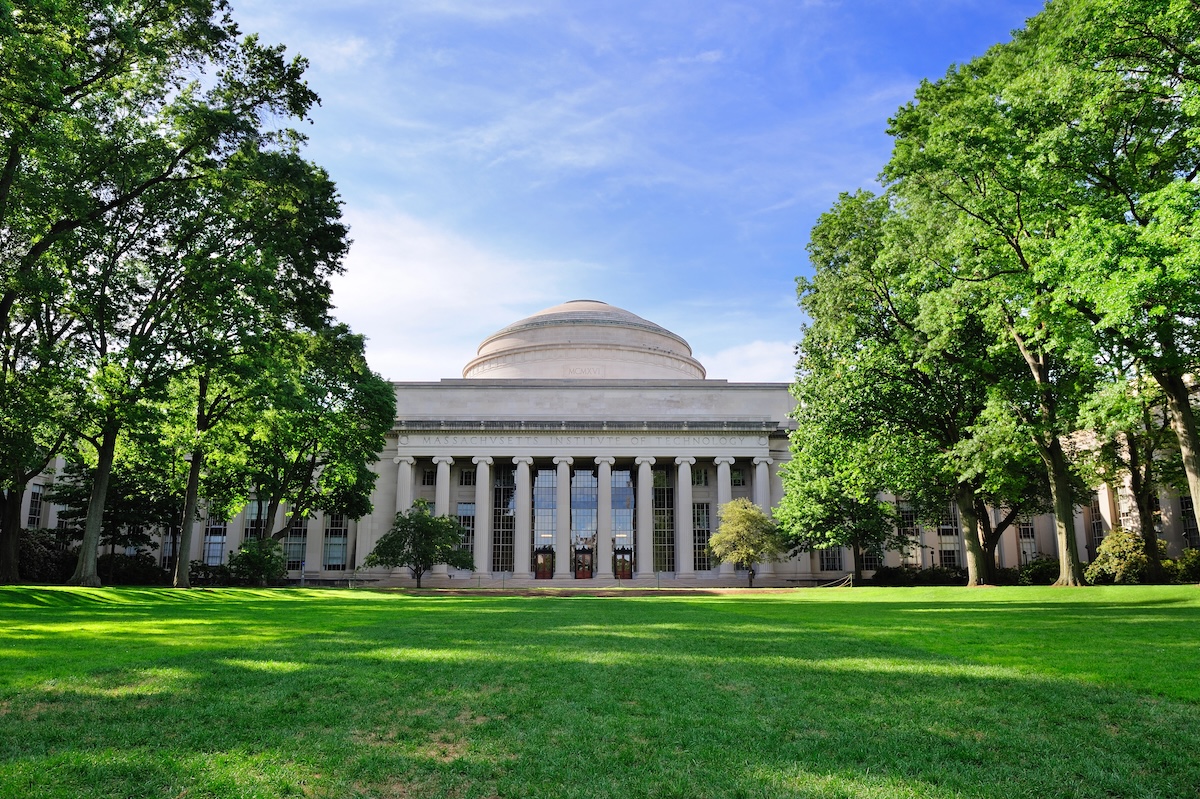
MIT will enroll nearly 500 fewer graduate students next year as the school grapples with steep declines in federal research funding, President Sally Kornbluth told the campus community in a May video message.
New graduate enrollment for 2026–27 is down nearly 20% compared with 2024 across departments outside the Sloan School of Management and the EECS Master of Engineering program.
Why enrollment is shrinking: Two forces are squeezing the graduate pipeline. The 8% endowment tax has pressured MIT’s budget for more than a year. And federal grant flows have not rebounded even after Congress restored some funding in February.
Without reliable grant money, it’s difficult to fund the graduate students to staff the labs. Kornbluth said many faculty members are already cutting graduate students, postdocs, and specific research projects. Policy changes affecting international students and scholars are also discouraging top applicants from applying to MIT in the first place.
“Hundreds of exceptionally talented young people will not have the benefit of an MIT education — and we won’t have the benefit of their creative brilliance,” Kornbluth said.
What MIT is doing: Kornbluth outlined several offsetting moves: 176 grant proposals submitted to the Department of Energy’s new Genesis Mission, a recently launched MIT–IBM Computing Research Lab, expanded master’s-only programs, and a refreshed philanthropy push under new Resource Development leadership. Growth in non-federal research funding has not been enough to close the gap from the federal decline.
She also flagged early discussions among federal agencies about factoring geography into grant decisions rather than ranking proposals strictly on scientific merit — a shift that would disadvantage research-heavy schools concentrated in the Northeast and West Coast.
How this connects: The endowment tax was expanded under a tiered structure:
- 1.4% for institutions with $500,000–$750,000 per student
- 4% at $750,000–$2 million
- 8% above $2 million per student.
MIT, Harvard, Princeton, Yale, and Stanford sit in the top bracket. The College Investor has noted the contradiction of Congress taxing those endowments while still routing Title IV federal student aid to the same schools.
Graduate funding cuts at the institutional level compound separate federal changes hitting students directly. Grad PLUS Loans are ending in 2026, and new federal borrowing caps for graduate borrowers will push more students toward private loans — or out of graduate programs entirely.
What to watch next: MIT is one of the first top-bracket schools to publish concrete enrollment numbers tied to the endowment tax and federal grant pullback. Expect similar announcements from peer institutions in the 8% tier.
Watch for any bipartisan movement in Congress to revisit the rate — Kornbluth said MIT’s Washington Office is lobbying on both sides of the aisle to roll it back.
Also, keep an eye on the graduate school brain drain and active recruiting by other countries to attract top talent.
Don’t Miss These Other Stories: