Small teams may struggle with task clarity. Everyone’s busy, Slack is active, work is moving, but outcomes feel slower than they should. That’s usually a sign of blurred understanding and duplicated effort eating into your team’s capacity. Add to that a founder who’s holding most of the frame of reference in their head, and suddenly, every decision, approval, or question flows through one person.
So hiring starts to feel like the obvious fix. More people, more output. Except it rarely works that way. Especially when 85% of small businesses already struggle to find qualified talent.
The smarter move is to look inward before adding more to manage.
How Small Businesses Can Build a Reliable Team Without Increasing Headcount?
Most small businesses don’t need more people; they just need to stop wasting the talent they already have. Here are 8 powerful ways small businesses can build a reliable team without adding headcount.
-
Fix clarity before adding capacity
Before you think about hiring, take a closer look at how work is currently structured.
In many small teams, roles evolve. Someone starts in marketing but slowly takes on sales ops, customer success, and a bit of product. Eventually, this creates overlap and confusion, draining capacity.
Clear roles don’t mean rigid job descriptions, though. Instead, they define who owns what outcomes. This shift alone reduces back-and-forth and speeds up decision-making.
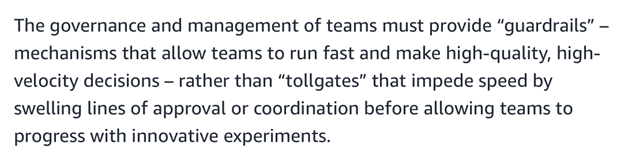
At Amazon, they follow a two-pizza team rule, and teams are structured around single-threaded leaders (STLs), in which one person owns a specific outcome end-to-end. Such clarity minimizes confusion and keeps execution fast, even at scale. Here’s what they share about it on their page.
To bring this into your team,
- Assign one owner per result
- Remove shared accountability zones
- Audit who does what weekly
Because once everyone knows what they’re responsible for, work happens faster without extra hires.
-
Turn onboarding into a repeatable system
Most small teams treat onboarding like a one-time activity. A few calls, some scattered documents, and a lot of “you’ll figure it out.” That approach slows people down and keeps founders looped into every small question longer than necessary.
A repeatable onboarding system can change that by showing how work gets done, what works, and where to find key information. This reduces back-and-forth and helps new hires, internal team members, and even freelancers ramp up without constant hand-holding. You can even use AI to identify pain points in your onboarding system.
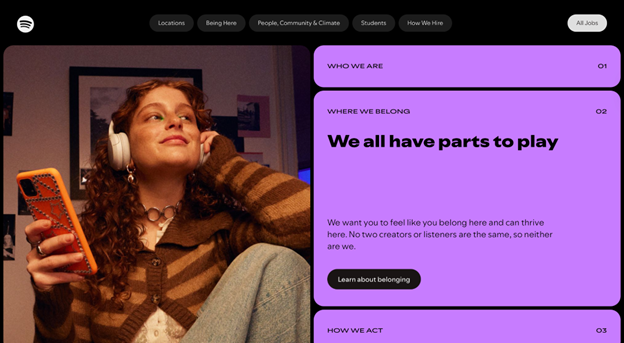
Spotify defines its onboarding process as controlled chaos. They focus on initial introductions, team integration, and continual mentorship. Their website does a beautiful job of reinforcing that messaging. They also have a Band Manifesto that can be a great addition to any onboarding program.
Start simple and build from there.
- Create a clear onboarding checklist
- Document recurring workflows step-by-step
- Define expectations for the first 30-60-90 days
The goal here is consistency over perfection while also reducing dependency on a single person.
-
Use scheduling as a productivity lever
Most small teams think of scheduling as an administrative task. It’s usually reactive, built around availability rather than actual demand. Sadly, it results in uneven workloads, idle time during slow periods, and burnout when things spike.
Smarter employee scheduling with tools like Homebase can help. When you align working hours with real demand, whether that’s customer queries, peak sales windows, or delivery timelines, your team spends more time doing meaningful work and less time waiting or rushing.
This is especially visible in industries like retail. Brands like Fuzzy Goat Yarns use demand-based scheduling to clock in from home and for paid time off. It goes to show just how useful such tools can be for globally-distributed teams.
To apply this in a small team, map the team’s peak workload hours, adjust shifts to match demand, and most importantly, rotate responsibilities to prevent fatigue. These changes create a serious impact by improving focus, balancing energy, and helping your existing team perform at a much higher level without needing extra hands.
-
Build systems, not hero employees
Every small team has that one person who just knows how things work. They fix issues quickly and keep things moving. It feels efficient until they’re unavailable. Then everything slows down.
Relying on individuals rather than systems creates hidden risks. Knowledge stays in people’s heads, decisions aren’t documented, and execution becomes inconsistent. Systems solve this by making work repeatable and transferable.
Consistency at scale comes from documenting everything, including processes and checklists, like at McDonald’s. Whether you’re in New York or Paris, your experience eating a Big Mac is predictable because the system does the heavy lifting. This is why they’ve been successful in opening over 41,000 stores worldwide, as of 2025.
You don’t need anything complex to start.
- Turn recurring tasks into simple SOPs
- Create checklists for key workflows
- Store knowledge in shared, accessible docs
With your execution becoming more predictable, your team spends less time reinventing the wheel and more time improving how it runs.

We earn a commission if you make a purchase, at no additional cost to you.
-
Leverage part-time, freelance, and async talent
Forcing full-time roles for specialized or occasional work often leads to underutilization and unnecessary costs. A more flexible approach is to plug gaps with part-time, freelance, or async talent that fits your needs.
This works especially well for high-skill functions like design, SEO, or paid media, where outcomes matter more than hours logged. You get access to specialists who’ve solved similar problems before, without the overhead of onboarding them into a full-time role, an efficient strategy for growing a dropshipping business without increasing fixed costs.
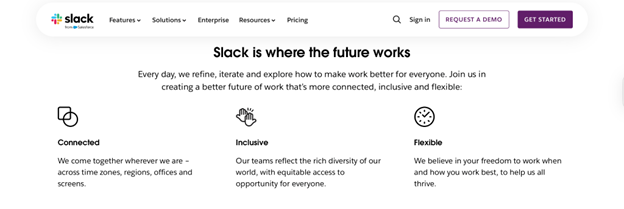
Slack embraced distributed and async collaboration early on, letting teams tap into talent across locations while keeping communication structured and efficient. They highlight this flexibility on their Careers page, too.
A few ways to make this work.
- Hire specialists
- Use async tools for collaboration
- Build a bench of trusted freelancers
This approach keeps your team lean while expanding what you can actually execute. Don’t forget to communicate this on your LinkedIn company page.
-
Turn employees into growth drivers
Your team already has insights your audience cares about. They’re speaking to customers and solving problems every day. The gap is that most of this has never really been acted on.
When you create space for employee advocacy, the knowledge you gather starts working for you outside chats and meetings. A sales rep can share real objections they hear. A marketer may break down what actually converted. Founders could talk through decisions in real time.
It feels more credible because it is. Plus, it builds trust faster than perfectly-manicured brand messaging. People connect with people, especially in smaller businesses where authenticity isn’t manufactured. Slowly, your team starts becoming a distributed growth engine.
-
Improve output
More hours don’t automatically translate to better results. It often leads to context switching, shallow work, and a constant feeling of being “on” without meaningful progress, especially in small teams. You must shift your focus from time spent to value created, often supported by tools like sales automation software.
By implementing AI sales automation, small teams can offload the most time-intensive parts of the sales funnel — prospecting and initial outreach — allowing them to focus their limited energy on high-value closing conversations and strategic relationship building.
Start by questioning where time is actually going. Meetings tend to expand without clear results, and quick check-ins slowly turn into default habits. Cutting low-value meetings creates space for deeper, uninterrupted work, where most meaningful yields occur.
Adopting more flexible systems, such as usage-based billing models, allows businesses to align costs with actual output, making operations more efficient without increasing headcount.
Plus, tracking output rather than activity changes how employees approach their work. When the goal states clear deliverables, teams prioritize better, communicate more directly, and spend less time on unimportant work. This way, there’s proper execution without overtime and potentially even needing new hires.
-
Create feedback loops that compound performance
Performance improves faster when you build feedback into the way your team works.
Consistency beats intensity any day when it comes to improving performance. Small, regular feedback loops help teams catch inefficiencies early, rather than letting them compound.
Remember, weekly check-ins don’t need to be heavy or formal. An AI presentation maker can even help summarize key points quickly.
What actually moves the needle is what you do next.
If the same issues keep showing up, the loop isn’t working. But when you start spotting patterns, fixing them, and carrying those changes forward — things click. Fewer repeated mistakes, less back-and-forth, and a team that doesn’t need constant course correction.
Your next step starts now!
Your team already has the potential. The difference lies in how you structure, support, and empower them. Start small, implement one change at a time, and you’ll often discover you need fewer new hires than you thought, while achieving better results with the people you already have.
Image by freepik