
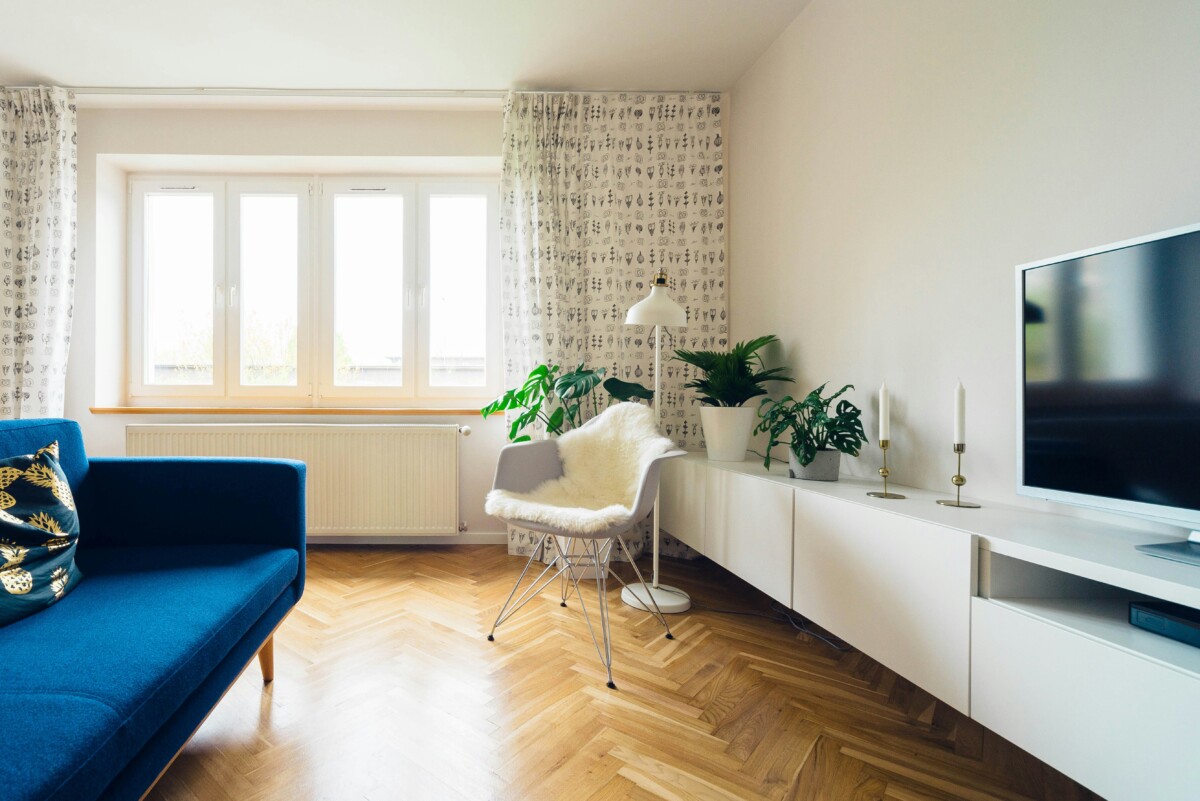
When you walk into a home built a few decades ago, you can usually feel when things are not with the modern times. Not just from the paint colors or the fixtures, but from the very bones of the space. A home’s layout dictates how we move, interact, and live, meaning an inefficient or poorly flowing layout can make an otherwise beautiful house feel stuck in the past.
Whether you’re searching for a home in Dallas, TX, Seattle, WA, or Phoenix, AZ, this Redfin guide will walk you through the key design elements that date a property, why they no longer work for modern lifestyles, and how you can spot and fix an outdated floor plan before making your next move.
4 key signs of an outdated layout
Architectural trends evolve alongside our lifestyles. What felt luxurious in the 1980s or 1990s can feel restrictive today. If you are touring homes, keep an eye out for these telltale signs of a bygone era:
1. The choppy, compartmentalized layout
Older homes were often designed with a specific, rigid purpose for every room. High wall counts and heavy doors separated the kitchen from the living room, and the living room from the hallway. While total open-concept living has its own critiques today (such as a lack of noise control) and has lost some of its dominance, a completely closed-off, labyrinth-like floor plan feels claustrophobic to the modern buyer.
>> Read: Open Floor Plan vs Closed: The Key Differences Explained
2. The isolated kitchen
Today, the kitchen is the undisputed heart of the home. And while many homeowners like being able to keep cooking messes out of sight, contain noise and smells, or create a more focused space for meal prep, today’s buyers often want some connection between the kitchen and the rest of the home. If a kitchen is tucked away in the back of the house with a single narrow entry door, it disconnects the cook from the rest of the household.
3. Formal rooms that collect dust
The dedicated formal dining room and the formal front parlor are rapidly disappearing. Modern homeowners prefer flexible, multi-functional spaces over square footage dedicated to rooms that are only used twice a year during major holidays. Still, formal rooms aren’t inherently outdated — and for buyers who enjoy hosting, traditional entertaining or having more defined spaces, they can be a real plus.
4. Awkward transitions and traffic bottlenecks
A floor plan can feel outdated when the home’s key living spaces don’t reflect how people move through and use a home today. Yuki, Content Editor at Ideal House, explains:
“One of the clearest signs that a floor plan feels outdated is when the home’s main living spaces are disconnected from the way people actually move and gather today. For example, an isolated kitchen, a rarely used formal dining room, or narrow transitions between rooms can make daily routines feel less fluid. Modern homes tend to work better when cooking, dining, relaxing, and entertaining have a more natural visual and physical connection, while still allowing for privacy where it matters.”
This shift in thinking is why awkward traffic flow remains such a common red flag. Whether it’s navigating a maze of tight hallways or dealing with bottlenecks between frequently used spaces, poor circulation can make a home feel less functional and more dated.
Then vs. now: how floor plans have evolved
To understand why certain layouts feel dated, it helps to look at how our priorities have shifted over the decades:
| Feature | Outdated floor plan | Modern floor plan |
| Kitchen connection | Enclosed, isolated, and small. | Open-sightlines, large islands with seating. |
| Dining spaces | Rigid formal dining room + small breakfast nook. | Casual, integrated dining areas or “flex” spaces. |
| Primary suite | Small closets, tight bathrooms, emphasis on bedroom size. | Large walk-in closets, spa-like ensuite bathrooms. |
| Flexibility | Rooms have single, unchangeable functions. | Dedicated home offices, multi-use bonus rooms. |
>> Read: Are Americans closing the door on open-concept home design?
Can you fix an outdated floor plan?
If you fall in love with a neighborhood or a home’s exterior but the inside layout feels stuck in 1985, you have two main paths forward:
- The structural fix (knocking down walls): If the issues are non-load-bearing walls blocking light and flow, opening up the space can completely transform the home. However, always consult a structural engineer first, as removing load-bearing walls requires expensive support beams.
- The cosmetic/functional fix: If moving walls isn’t in the budget, you can improve flow by removing interior doors, using cohesive flooring throughout the house to visually connect spaces, and repurposing formal rooms into functional home offices or playrooms.
The bottom line
An outdated floor plan isn’t just an aesthetic issue – it directly impacts your daily happiness and how you experience your home. When shopping for your next property, look past the fresh paint and staging. Pay attention to how the rooms connect, how the light moves, and whether the layout serves the reality of your day-to-day life.
FAQ: What makes a floor plan feel outdated?
1. Is a closed floor plan always outdated?
Not necessarily. While highly compartmentalized, “choppy” layouts can feel dated, the trend is moving away from total open-concept living toward what designers call “broken-plan” living. This style keeps the visual connection and light of an open floor plan but uses half-walls, glass partitions, or pocket doors to offer noise control and privacy. A closed layout only feels outdated if the rooms feel cramped, dark, and entirely isolated from one another.
2. How can I tell if a wall is load-bearing before buying a home?
Be sure to hire a professional home inspector or structural engineer to confirm, but a few general clues can help you spot a load-bearing wall during a walkthrough:
- Walls that run perpendicular (at a 90-degree angle) to the floor joists above are usually load-bearing.
- Walls that align directly above other walls on the lower level or basement usually hold weight.
- Exterior walls are almost always load-bearing.
3. What is the most expensive floor plan flaw to fix?
Relocating major plumbing is often the costliest renovation, requiring extensive work on concrete slabs or subfloors to move kitchens or bathrooms. If a home requires shifting heavy plumbing lines to improve the layout, include a substantial budget buffer in your offer.
4. Are formal dining rooms completely a thing of the past?
While not obsolete, formal dining rooms have evolved. Today’s buyers prefer flexible spaces over rooms used only twice a year. Consequently, these areas are often reimagined as libraries or home offices by adding French doors or custom cabinetry, allowing them to remain functional when not hosting guests.
5. Can lighting and furniture layout fix a bad floor plan?
If structural changes aren’t feasible, use design tricks to improve the layout. Install consistent flooring in adjacent rooms for visual flow, and replace swinging doors with pocket or barn doors to save space. Additionally, arrange furniture to keep walkways clear and maintain fluid transitions between spaces.