
Sydney’s rental crunch could escalate into a full-blown crisis in many battler suburbs if proposed investor tax reforms are not matched by a dramatic drop in migration intake, new modelling shows.
The research by property analytics firm FoundIt revealed many of the suburbs within Sydney’s middle- and outer-ring were particularly vulnerable to a proposed removal of capital gains tax discounts.
Under current rules, investors can claim a discount on capital gains tax on sales of properties owned for over a year but plans have been floated to end the perk with the release of the May federal budget.
MORE: Full list: Suburbs where prices have dropped
Removing this incentive for new property investors was forecast to cause a drop in new investor activity at a time when the tenant pool was expanding because of high levels of migration.
This would strangle the supply of rental homes in critical areas and drive up rents, the study showed.
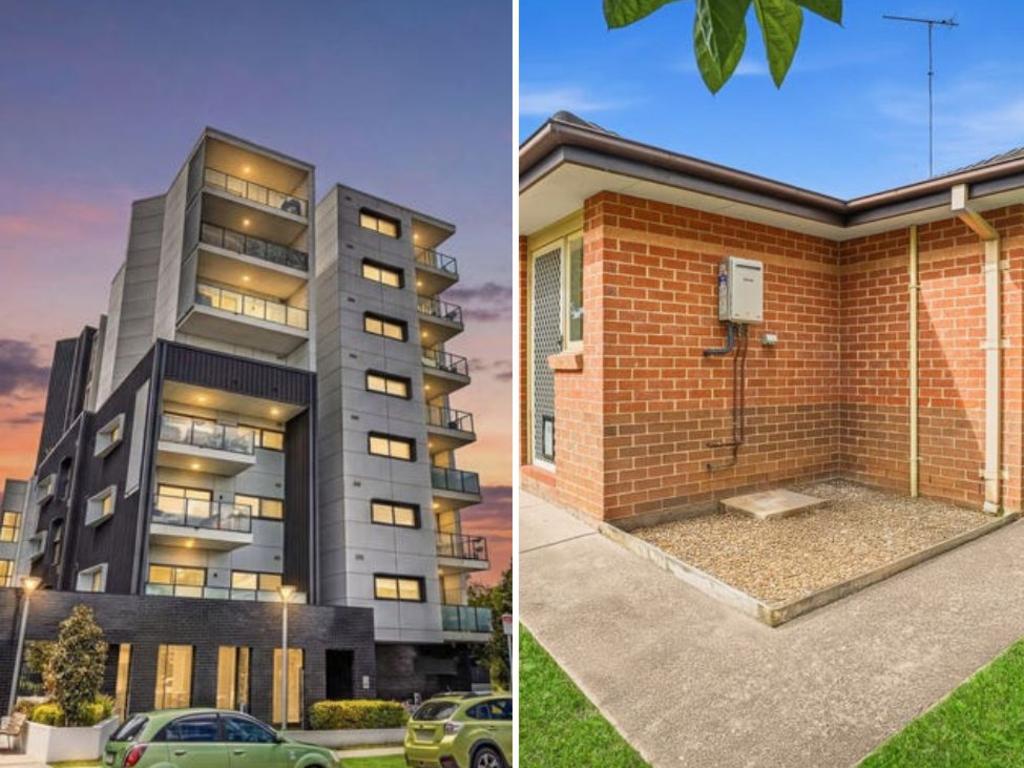
Areas such as Mount Druitt have been a magnet for investors in recent years, but new purchases could slow, driving up rents.
“Migration intake needs to fall or the changes will be problematic,” said FoundIt head of research Kent Lardner.
Sydney suburbs flagged as most vulnerable to the investor tax changes were often areas home to large number of lower income tenants, along with home prices under $1.2m.
They included western suburbs Mount Druitt, St Marys, Blacktown and Fairfield, along with Penrith, Campbelltown, Camden and the Richmond-Windsor region.
Conversely, rental supply in pricey areas such as the eastern suburbs, Mosman, North Sydney and the Harbour suburbs of the inner west would be little impacted by tweaks to capital gains tax charges.
The impact on properties priced above $2m, which comprise 43 per cent of Sydney’s housing market, would be minimal or negligible due to low rates of investor participation in this segment, FoundIt said.
Mr Lardner explained that the most impacted areas tended to have a mix of cheaper prices appealing to investor budgets, but low rental returns.
MORE: Warning for Western Sydney home buyers

Treasurer Jim Chalmers is expected to announce CGT changes in the federal Budget. Picture: NewsWire / Martin Ollman
“For many investors, buying a new rental is really about the long-term capital growth,” Mr Lardner said.
“Once you take that incentive away, most investors would cease buying properties in areas where rental yields were already marginal. There are a lot of these areas.
“It will be a nightmare for tenants. As the tenant pool grows and the supply of rentals stall, competition will rise. Rents could rise.
“It may well become easier for some renters to become first-home buyers because of less investor competition but not every renter has the means to buy.
“Some people need to rent … The problem is there will be fewer new rentals coming to market.”
MORE: ‘Zipper’ homes to help solve Sydney housing crisis
FoundIt head of research Kent Lardner said home prices were unlikely to be affected much by the changes, but rents could rise.
Mr Lardner added that removing the discount on capital gains tax charges is unlikely to push down home prices across the market as a whole. A more likely outcome would be a flattening in home value growth over the longer-term.
“Most investors will probably respond to these changes by holding their properties for much longer. It’s doubtful we will see a sudden increase in investor sales that would rapidly bring down prices.
“It’s not really going to move the dial for affordability.”
Property Investment Professionals of Australia chair Cate Bakos said Australia’s rental system has long relied on everyday investors, who provide more than 90 per cent of rental homes.
“Investors have quietly carried the weight of Australia’s rental supply for generations. Any policy shift that undermines their confidence risks shrinking the pool of available homes at the very moment renters can least afford it,” Ms Bakos said.
MORE: Dad’s $20 hack to get Aus’ best lawn
Buyer’s agent Cate Bakos said private investors supplied 90 per cent of Australia’s rentals.
Nathan Birch, the head of property management firm Blink, which manages close to 7,000 rentals across the country, said the timing of gains tax changes could be catastrophic for tenants.
“It would be a massive shock to the market and the average tenant would struggle,” he said.
Mr Birch said proposed changes could deliver a similar result to when capital gains tax was first introduced in 1985-1987. This change coincided with the Hawke government temporarily abolishing negative gearing.
The twin reforms drove a circa 30 per cent rise in rents in some capital cities over the two years.
“People say this will affect ‘greedy’ investors … the worst affected people will be average renters, people just surviving on one income, who are in areas where there is little (rental) supply.”
S
Areas such as Penrith may see a reduction in new rental supply because the yields are too low to encourage new investment without the stimuls of CGT discounts.
ydney property investor Michael Pritchatt, who has purchased 24 properties over the past three and a half years, said that if the changes meant a rise in rents it would be a “positive” for long-term investors.
“If fewer other investors are buying, and rents go up, that’s a good thing for a buy and hold investor,” he said. “I think it would be a bigger problem if your strategy was to flip houses.
“For me, I just see it as another price to pay. It doesn’t really phase me.”