
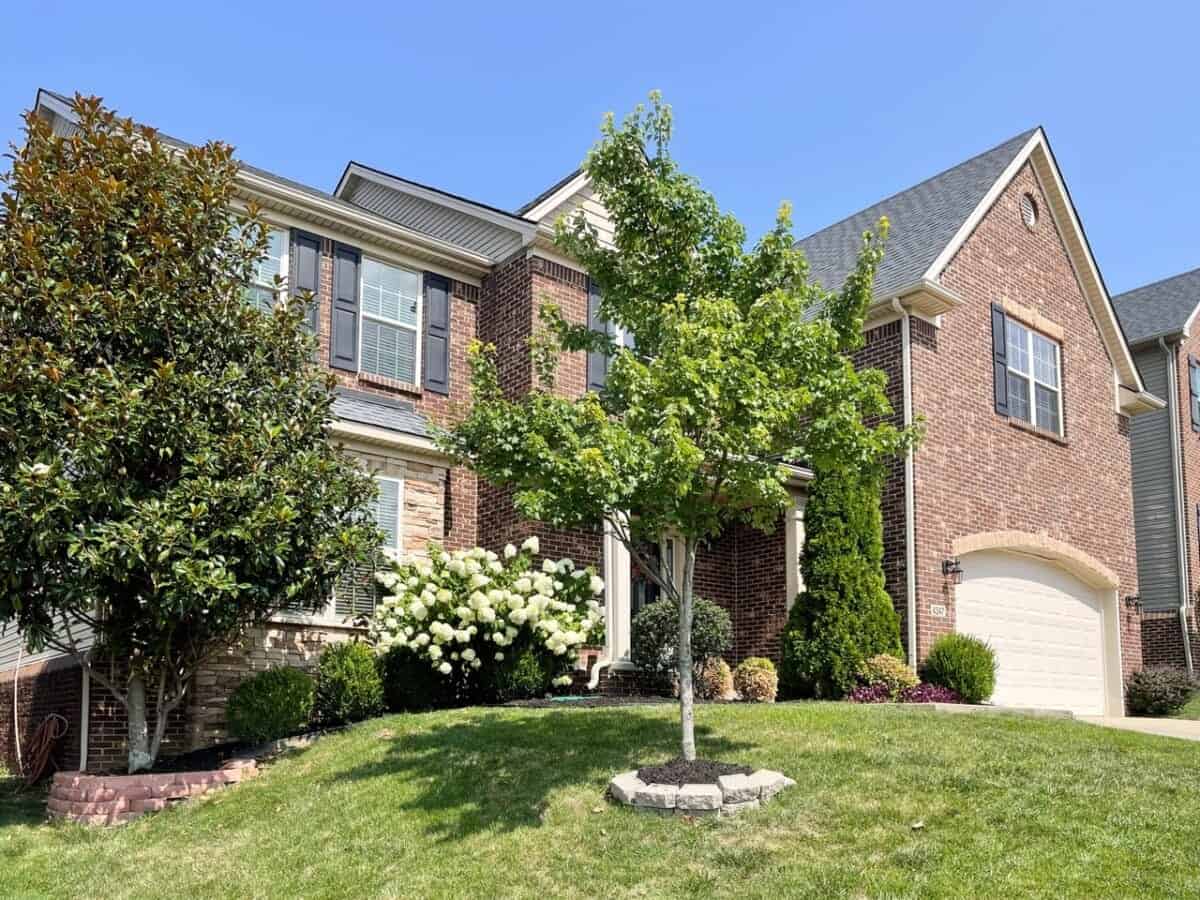
Buying a home is a big financial commitment, and most buyers will need a mortgage to make it happen. Understanding your monthly payment is a key part of budgeting for life in your new home.
In this Redfin article, we’ll break down how much a mortgage on a $300,000 house costs, both on a monthly basis and in the long run. Whether you take out a 30-year mortgage on a house in Houston or a 15-year mortgage on a home in Louisville, find out how much you’ll likely end up paying.
How much is the monthly mortgage payment on a $300K house?
Your monthly mortgage payment involves more than simply repaying the loan amount. It includes several costs that can vary based on where you live and the type of mortgage you choose. While most of your payment consists of the principal and interest payment, additional expenses like property taxes and homeowners insurance also add to your total monthly cost.
Here’s what’s typically included in your mortgage payment:
- Principal and interest: The amount borrowed and the interest charged by your lender
- Property taxes: Set by your local government and vary based on location
- Homeowners insurance: Protects your home against damage and liability
- Private mortgage insurance (PMI): Typically required if your down payment is less than 20% on a conventional loan
The exact amount you’ll end up paying each month depends on your interest rate, loan type, and down payment size. Below, we’ll go through some estimated monthly mortgage payments for a $300,000 home based on different down payment amounts. Rates used below are examples and will vary based on market conditions and borrower profile.
Example monthly payments for a $300K home (30-year loan at 6.625% interest)
These estimates include principal, interest, and average additional costs like taxes and insurance.
|
Down payment |
Loan amount | Monthly payment (principal + interest) | Estimated total payment (including taxes + insurance) |
|
20% ($60K) |
$240,000 | $1,537 | $1,969 |
| 10% ($30K) | $270,000 | $1,729 |
$2,330 |
| 5% ($15K) | $285,000 | $1,825 |
$2,436 |
Example monthly payments for a $300K home (15-year loan at 5.875% interest)
|
Down payment |
Loan amount | Monthly payment (principal + interest) | Estimated total payment (including taxes + insurance) |
|
20% ($60K) |
$240,000 | $2,009 | $2,442 |
| 10% ($30K) | $270,000 | $2,260 |
$2,861 |
| 5% ($15K) | $285,000 | $2,386 |
$2,996 |
Property taxes and insurance vary by location, so actual monthly costs may differ.
Want a more tailored estimate? Use the Redfin Mortgage Calculator.
How interest rates affect your mortgage payment
Interest rates have a major impact on your monthly payment and total loan cost. Even a small increase can add tens of thousands of dollars over time.
Example: monthly payment at different interest rates
For a 30-year loan with a $240K loan amount ($60K down payment), here’s how your interest rate affects total costs:
|
Interest rate |
Monthly payment (P&I) | Total interest paid over 30 years |
|
6% |
$1,439 | $278,040 |
|
6.5% |
$1,500 |
$306,120 |
| 7% | $1,597 |
$334,920 |
| 8% | $1,764 |
$393,960 |
A 1% increase in interest (from 6% to 7%) could cost you almost $60,000 more in interest over the life of the mortgage. Increasing your credit score and making a larger down payment can help you secure a lower rate and reduce your total costs.
How your loan type affects your mortgage payment
The mortgage you choose impacts your monthly payment and total interest paid over time. Here’s how the most common options compare:
|
Loan type |
Monthly payment (P&I) | Pros | Cons | Best for: |
|
30-year fixed |
$1,537 |
|
|
|
| 15-year fixed | $2,009 |
|
|
|
| Adjustable rate mortgage (ARM) | $1,537 (initially) |
|
|
|
How much should I put down on a $300K house?
In addition to impacting your loan amount and monthly payments, your down payment also determines whether you’ll need private mortgage insurance. A higher down payment reduces your loan size, lowers your interest costs, and eliminates PMI if you put down at least 20%.
Common down payment options
- 20% down ($60K) – No PMI, lower monthly payments, and less interest paid over time
- 10% down ($30K) – PMI required, moderate monthly payment
- 5% down ($15K) – PMI required, highest monthly payment, and most interest paid
If you can’t afford to put 20% down, it’s still possible to buy a home – many lenders offer low-down-payment loan options. FHA loans require as little as 3.5% down, and VA or USDA loans may allow 0% down for eligible buyers.
A higher down payment saves money long-term, but a smaller one can help you buy a home sooner.
How much do I need to make to afford a $300K house? (30-year loan at 6.875% interest)
Before buying a home, it’s important to determine how much you can afford based on your income and expenses. Lenders often use the 28/36 rule to assess affordability – this guideline suggests that your monthly housing costs should not exceed 28% of your gross income, while total debt payments (including loans and credit cards) should stay under 36%.
Below is a breakdown of the income typically needed to afford a $300,000 home based on the 28/36 rule. Actual affordability will vary based on your down payment, existing debts, credit profile, and local housing costs.
|
Gross monthly income |
Affordable mortgage payment | Can afford a $300K home? |
|
$5,500 ($66K/year) |
~$1,540 | Likely not affordable under the 28% guideline |
| $6,900 ($83K/year) | ~$1,932 |
Yes |
| $7,500 ($90K/year) | ~$2,100 |
Yes (more comfortably) |
If your income is below this range, you may still qualify by:
- Making a larger down payment to reduce your loan amount
- Improving your credit score to get a lower interest rate
- Reducing other debts to improve your debt-to-income ratio
Taking these steps can help make a $300K home more affordable.
Final thoughts
Your mortgage payment on a $300,000 home depends on interest rates, loan type, and down payment size. A higher down payment and lower interest rate can save you hundreds per month and tens of thousands over time.
Before buying, consider:
- How much you can afford based on your income and debts
- Current interest rates and how they impact payments
- The best loan type for your budget and financial goals
Buying a home is a big step, and understanding the numbers can help you move forward with confidence.