
Have questions about “sexually transmitted diarrhea”? If you’ve read or watched the news lately, you could be forgiven for having it on your mind.
Interest in shigellosis, a diarrheal illness caused by the bacterium Shigella, has spiked this week amid several posts about rising case numbers and increasing resistance to medications.
While headlines saying that the illness is “surging” or “exploding” in the United States may sound as if we are in the midst of a major outbreak, Centers for Disease Control and Prevention numbers show this is not the case. According to the most recently available data from the CDC, 13,921 Americans have been diagnosed with shigellosis in 2026 as of Sept. 26, a rate that appears to be on par with last year’s 14,277 total.
The CDC did share a report about drug-resistant Shigella in April, and related studies have been published in the last year or two, including one this summer. However, it appears the current buzz is a result of one or two sources revisiting this information and reigniting public interest online.
One Google search that appears to be rocketing to the top: “What is sexually transmitted diarrhea?” or rather, “is sexually transmitted diarrhea a thing?”
It is, in fact, “a thing” – and even if we are not in the midst of a specific outbreak, health experts have still called it a serious public health issue that needs more attention. Here’s why.
What Is Shigella?
Shigella is a group of bacteria that causes shigellosis, an infection that affects the digestive system and causes acute diarrhea, along with fever, stomach pain, and other complications.
Shigella is easily transmitted between people and can be spread via water, food, surfaces, or objects contaminated with microscopic poop particles. Ingesting just a small amount of the bacterium can cause illness. People with shigellosis can shed the bacteria in their stool for up to two weeks after symptoms have gone away.
Most people who get sick with a Shigella infection are able to recover at home, but more serious illness can occur and require treatment, including antibiotics and hydration.
According to the CDC, people with shigellosis usually start experiencing symptoms 1 to 2 days after contact with the germ, though some people will not have any symptoms. These symptoms include:
- Diarrhea that can be bloody or prolonged (lasting more than 3 days)
- Fever
- Stomach pain, cramping and tenderness
- Feeling the need to pass stool (poop) even when the bowels are empty
- Dehydration
Symptoms usually last 5 to 7 days, but some people may experience symptoms anywhere from a few days to 4 or more weeks.
What Is Drug-Resistant Shigellosis?
Sometimes, medications we use to treat a certain illness stop working when germs change. Microorganisms like bacteria can mutate to become less sensitive, or even immune, to certain treatments, either naturally or in response to medication overuse or misuse.
That is why your doctor may order tests for common infections (even ones you’ve had before) before prescribing an antibiotic, for example. They want to ensure not only that they are giving you the right drug to best target your specific infection, but also that they are not over-prescribing unneeded medications, giving germs more of a chance to “learn” how to sidestep them.
Certain communities, including the unhoused and children under age 5, are at especially high risk.
Some strains of Shigella have become increasingly resistant to antibiotics over the last few decades. In April, the CDC reported that extensively drug-resistant cases of shigellosis rose from 0% of tested samples in 2011 to 8.5% in 2023. “Extensively drug-resistant,” in this case, means it is resistant to all of the FDA-approved antibiotics.
How Is Shigella Related to Sex?
Previously, many Shigella cases in the U.S. were seen in children under 5 and people who had recently traveled out of the country or been in contact with someone who did. Around the turn of the century, however, experts started noting its spread through sexual activity. While scientists already knew it could spread through sexual contact, it was previously believed to be a small number of cases.
The vast majority (86.2%) of the extensively drug-resistant infections in the CDC report were in men. Recent studies have found that these resistant strains are more prominent in the LGBTQIA+ community, specifically among men who are sexually active with other men.
One of those studies, conducted in the United Kingdom and published in The Lancet Infectious Diseases journal in July, points to something called “bystander resistance” – when the wrong drug or dose is given to treat a pathogen, or is given to target another illness, therefore failing to kill the germ and allowing it to develop resistance – as one driving factor.
By the end of the 2015-2020 study period, the authors found that about 70% of sexually transmissible Shigella strains were resistant to at least one antibiotic, compared to 40% among non-sexually transmitted strains and 49% among travel cases.
“This disease has gone from being relatively treatable with off-the-shelf drugs to being close to untreatable over the course of the last decade or so,” study author and professor at Cambridge University’s Department of Genetics said in a July press release. “Many men who have sex with men are unaware of the serious and increasing risk posed by sexually transmitted shigella …. It is vital that this message reaches the communities most affected, so we can help to prevent the spread.”
Health experts in both the United States and the UK are working to better understand and develop tools to curb the spread of drug-resistant Shigella. In the meantime, it tends to crop up in conversation whenever a diarrheal illness appears in headlines.
Preventing the Spread
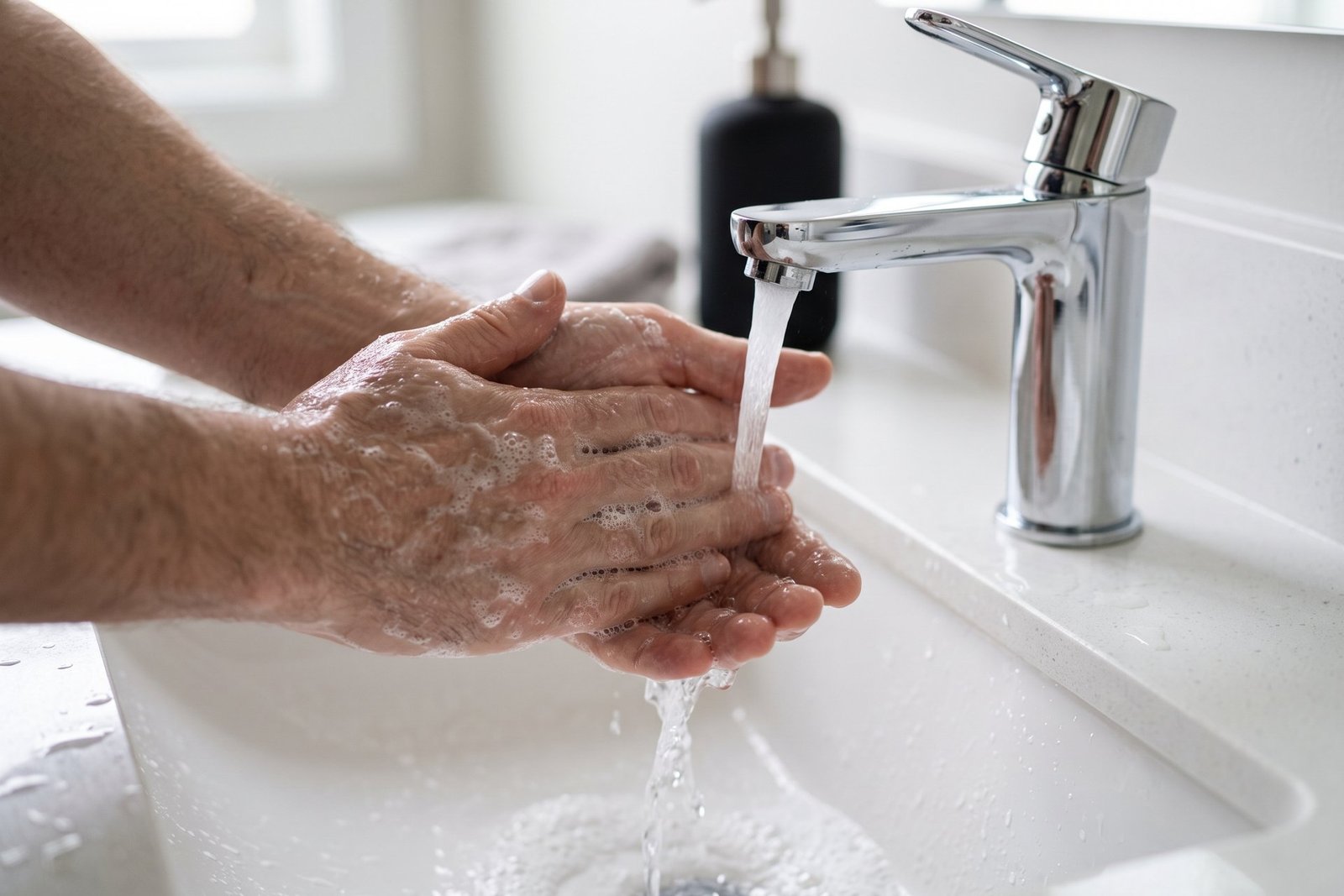
Practicing good hygiene is the best way to prevent contracting or spreading Shigella infections. Thoroughly washing your hands with soap and running water after using the bathroom, changing a diaper, before and after handling or eating food and before and after engaging in sex is the surest way to stay safe, says the CDC.
You should also avoid swallowing water when swimming in ponds, lakes, rivers or swimming pools.
If you or your partner become sick, do not have sex and wait at least two weeks until diarrhea symptoms have stopped. If you have or suspect you may have Shigella, you should also:
- Wash your hands often, especially before touching or being around food.
- Don’t prepare or share food or drink with anyone.
- Don’t swim or enter a body of water.
- Stay home from school, work and other community spaces related to children, healthcare or food until you are cleared by a medical professional.