
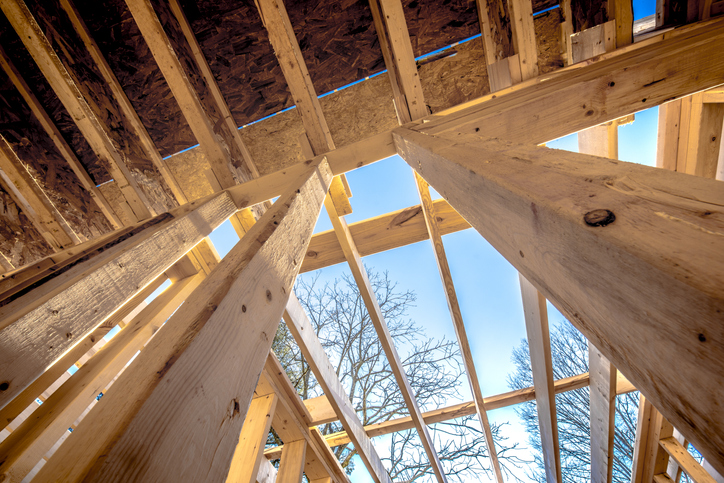
The federal budget has paved the way for more brand new homes to be built, but ensuring borrowers can finance these is crucial.
Direct tax incentives for building new property set to reshape the market, after the federal government came down hard on investors in a bid to prioritise first-home buyers.
With an uptick in building expected off the back of new negative gearing rules, borrowers will be increasingly looking to secure a competitive construction loans, also known as builder loans, to achieve the new homes dream.
Securing a construction loan
Construction loans are different from regular home loans, due to building works requiring ongoing payments as the construction progresses.
Designed for both building a new home or completing major structural renovations, construction loans are an important part of the lender landscape in Australia.
In general, construction home loans have a variable rate, with a maximum Loan-to-Value Ratio of 95%. This varies depending on lenders, and most major lenders offer construction loans.
Lenders also often set a maximum timeframe for the complete draw-down of the loan, usually around six months. If you aren’t planning to start building right away, you may need to purchase the land on a separate land loan.
Securing a construction loan is two stage process, Sunshine Coast-based Mortgage Choice broker Larissa Barton explains.
“You buy the land, and then once the land settlement goes through, the builder will then come along and quote to build on that land, which the borrower then funds with a construction loan,” she says.
The construction loan is then disbursed in distinct phases based on your builder’s invoices. This usually includes the deposit phase, pouring the foundation, framing the home, lock-up stage, fit-out stage and completion.
Construction loans are paid down in stages. Picture: Getty
Once a home is built, borrowers transition to a regular, usually variable, home loan.
Buyers line up
New residential land is hard to come by in many parts of the country, with wait lists of first home buyers and owner-occupiers wanting to secure a parcel of land common.
Getting an early understanding of construction loans and eligibility is vital.
In pockets of south east Queensland in particular, being positioned well with financing is vital given the challenges with even purchasing land, Ms Barton says.

The Sunshine Coast has become one of the most competitive housing markets in which to secure land. Picture: Getty
“On the Sunshine Coast, new land releases are so hard to come by that we’ve got buyers on a ballot system waiting to be drawn to get the opportunity to buy a block of land because there’s so many people wanting to secure new land.
“The changes announced in the budget will encourage more construction loans to come through, which will add to the demand for new blocks.”
Grassroots challenges
While the measures that came out of the budget are pro-housing and heavily designed to boost construction activity and affordability, getting borrowers to a point where finance is needed for a new build project is getting progressively harder.
Data from the Australian Bureau of Statistics shows that housing construction weakened in the first quarter of 2026.
“The impacts of the Middle East conflict, interest rates and the federal budget’s tax hikes on housing and construction investment will continue to make matters worse,” Master Builders Australia chief executive Denita Wawn warns.
“Builders are facing a range of challenges, including supply chain disruptions, workforce shortages and red tape.
“Even prior to the budget changes, the National Housing Accord is forecast to be over 200,000 homes short of target.”