
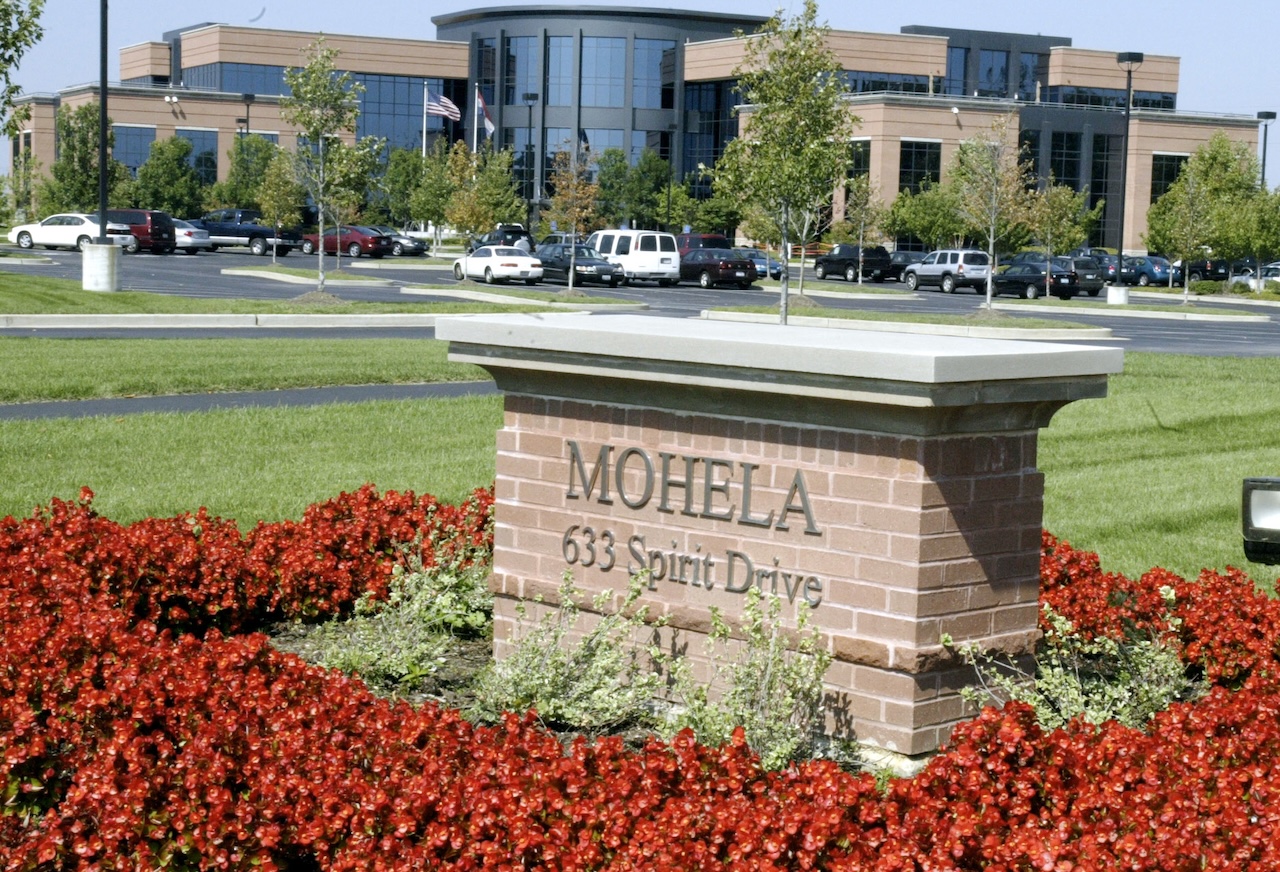
- Loan servicers, including MOHELA and Aidvantage, are denying all outstanding SAVE plan applications at the direction of the Department of Education, following the legal settlement that ended the SAVE plan.
- These letters target borrowers with pending applications — a different group than the borrowers who were actually enrolled in SAVE and are receiving their own 90-day notices in tranches.
- Borrowers who don’t apply for a new repayment plan within 90 days will see their SAVE forbearance end and payments resume on the plan they were on before applying, or the standard plan if they weren’t on a plan before.
Student loan borrowers who applied for the SAVE plan but were never officially enrolled are now receiving denial letters from their loan servicers. These are borrowers who submitted an application for SAVE or an old application selecting the option “Lowest Repayment Plan”, but their applications were never actually processed. These borrowers had been in administrative forbearance while waiting for an outcome to their application.
Borrowers have 90 days to submit a new income-driven repayment (IDR) application or their SAVE forbearance ends and payments resume on their old plan.
Hundreds of thousands of borrowers submitted IDR applications requesting SAVE and have been sitting in a administrative forbearance (some for well over two years) waiting for an answer. That answer has now arrived: denied.
Unlike borrowers officially enrolled in SAVE, who get auto-enrolled in the Standard or Tiered Standard plan if they miss their 90-day deadline, applicants who miss the deadline get kicked back to their previous repayment plan, or the Standard plan if they weren’t enrolled in a plan before (such as new borrowers leaving college). For many, that could mean a payment far higher than what they expected under an income-driven plan.
What The Message Says
Here is the version of the notice MOHELA is sending to affected borrowers (other servicers, including Aidvantage, are sending similar messages):
A recent legal settlement ended the Saving on a Valuable Education (SAVE) Plan, and it is no longer available to borrowers. As a result of the settlement, MOHELA was directed by the U.S. Department of Education (ED) to deny all SAVE Plan applications. Visit StudentAid.gov/courtactions for more information about the settlement.
MOHELA records show that you submitted an income-driven repayment (IDR) plan application and requested either the SAVE Plan or the SAVE Plan and another plan. You must now select a new repayment plan. If you’re not currently enrolled in the SAVE Plan and don’t submit a new application for a different repayment plan within 90 days, your SAVE forbearance will end and you will be required to resume payments on the plan you were on before you applied for SAVE. If you’re currently enrolled in the SAVE Plan, you will be placed on either the Standard Repayment Plan or the Tiered Standard Plan, depending on your circumstances.
What Borrowers Should Do
Borrowers who receive this letter need to take action. Submitting a new IDR application keeps them in an income-driven plan and avoids reverting to a potentially unaffordable prior payment.
The main options are Income-Based Repayment (IBR) and the new Repayment Assistance Plan (RAP), which launched July 1, 2026. RAP charges 1% to 10% of adjusted gross income depending on income, includes a $50 monthly deduction per dependent, and requires a minimum $10 monthly payment.
Borrowers pursuing Public Service Loan Forgiveness should enroll in IBR or RAP as both are PSLF-eligible.
Applications can be submitted at StudentAid.gov/idr or directly through the borrower’s servicer.
How This Connects
This is the second batch of notices tied to the end of SAVE.
As we reported earlier this week, borrowers enrolled in SAVE began receiving their own 90-day notices after July 1, warning they’d be auto-enrolled in the Standard or Tiered Standard plan if they didn’t pick a new plan. The application denials extend that same deadline structure to borrowers who never made it into SAVE at all — meaning nearly everyone touched by the SAVE plan now has a clock running as the SAVE forbearance winds down.
Notices will continue rolling out from servicers over the coming months, and each borrower’s 90-day window runs from the date of their individual notice. Borrowers unsure of their status should check their servicer account and StudentAid.gov to see whether they’re listed as enrolled in SAVE or as having a pending (now denied) application.
Don’t Miss These Other Stories: