
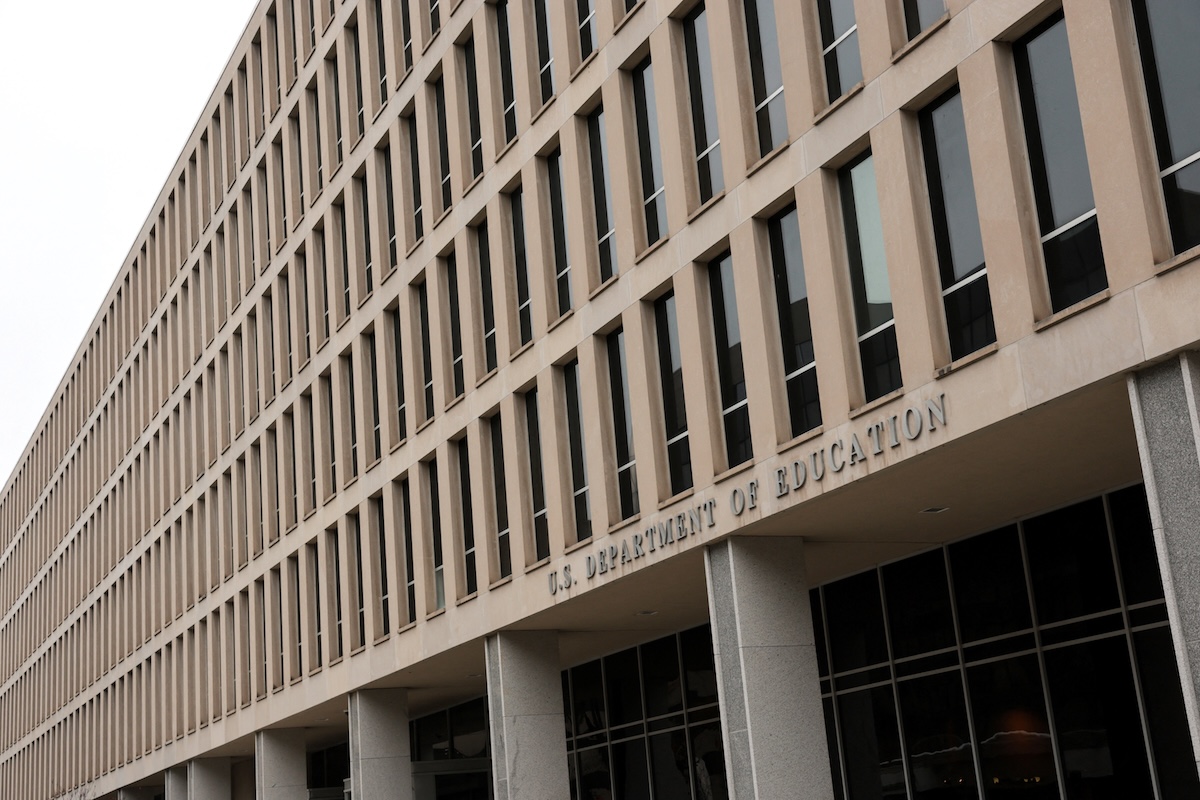
A new federal lawsuit is trying to answer a question more than 1.5 million student loan borrowers have been asking: did the Department of Education actually cancel the loans it publicly promised to forgive?
The Project on Predatory Student Lending (PPSL) sued the Department (PDF File) on July 1, 2026, in the U.S. District Court for the District of Massachusetts, after the agency sat on fifteen Freedom of Information Act (FOIA) requests (some for more than two and a half years) seeking records on how it carried out its announced group discharges.
The College Investor team has previously filed similar FOIA requests for borrower defense data, the latest with a response in 2023, which took roughly 14 months to process.
The Key Points
Between April 2022 and January 2025, the Department announced ten group discharges for borrowers who attended schools it found had engaged in widespread misconduct:
- Marinello Schools of Beauty
- Corinthian Colleges
- ITT Technical Institute
- Westwood College
- CollegeAmerica
- Rhe Art Institutes
- Ashford University
- Schools owned by the Center for Excellence in Higher Education (CEHE)
- Drake College of Business
- Certain Lincoln Technical Institute programs in Massachusetts.
Each announcement told approved borrowers their federal loans would be discharged automatically — no application, no further action needed. In total, the announcements covered more than 1.5 million borrowers and more than $23 billion in federal student loan debt, by the Department’s own estimates.
According to the lawsuit, the Department has never publicly released data on its progress toward fulfilling those commitments. PPSL says it continues to hear from hundreds of borrowers who were approved for group discharge relief but whose loans remain outstanding.
Why It Matters
Group discharges were supposed to be the easy path towards student loan forgiveness. Instead of filing an individual borrower defense application, approved borrowers were told relief would arrive automatically, along with credit repair and, in some cases, refunds.
If loans that should have been canceled are still sitting on borrowers’ accounts (accruing interest, blocking mortgages, or landing in collections), borrowers may not even know they need to complain.
The lawsuit won’t cancel anyone’s loans directly. But the records it seeks (servicer guidance, compliance audits, and counts of how many approved borrowers still have outstanding loans) would show for the first time whether the Department of Education followed through on its public announcements.
The Details
PPSL filed five FOIA requests in November 2023 covering the CollegeAmerica, Corinthian, ITT, Marinello, and Westwood discharges, and ten more in April 2025 covering all ten schools.
The Department acknowledged every request, telling PPSL its average processing time was 185 business days — well beyond FOIA’s 20-business-day deadline. As of the lawsuit filing date, all fifteen requests were still listed as “In Process” in the Department’s FOIA portal.
“The Department made public promises to more than 1.5 million borrowers,” said Eileen Connor, PPSL’s president and executive director, in a statement. “It shouldn’t take a lawsuit to learn whether those promises have been fulfilled.“
How This Connects
Borrowers covered by these announcements can check whether their school qualifies on The College Investor’s for-profit college student loan forgiveness list. The suit also lands amid broader processing breakdowns at the Department — hundreds of thousands of borrowers remain stuck in application backlogs, and the AFT’s lawsuit has similarly pressed the agency to deliver forgiveness borrowers already earned.
The case, PPSL v. U.S. Department of Education, asks the court to declare the Department’s inaction unlawful and order it to produce the records at no cost. FOIA cases often end in negotiated production schedules, so documents could emerge in stages.
Borrowers approved for a group discharge whose loans remain outstanding should contact their servicer and file a complaint with the FSA Ombudsman and keep records of both.
Don’t Miss These Other Stories: