
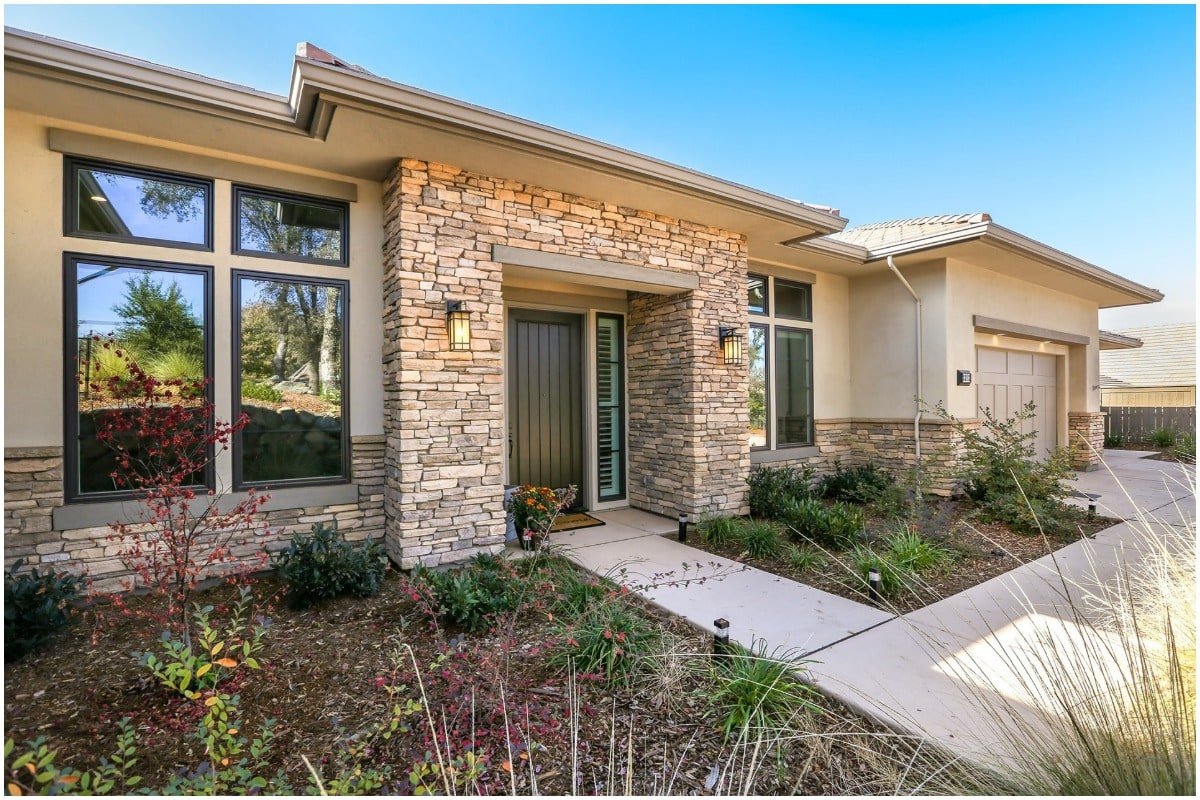
Buying a new construction home comes with perks like modern layouts, new appliances, and the chance to personalize finishes, but it also comes with a different negotiation process than buying an existing home. While builders may be less likely to lower the purchase price, there are often opportunities to negotiate incentives, upgrades, financing, and contract terms that can save you thousands.
Whether you’re buying a new construction home in Charlotte, NC, or a home in Phoenix, AZ, knowing what to negotiate can help you save thousands. From builder incentives to contract terms, this Redfin guide covers tips for negotiating the best deal on a new construction home.
1. Bring your own real estate agent
The builder’s sales representative works for the builder, not the buyer, making it important to have your own real estate agent representing your interests throughout the transaction.
“The biggest mistake buyers make is walking into a builder’s sales office unrepresented. That on-site agent works for the builder, not you,” says real estate agent Peter Cutile. “The second is fixating on sticker price, when builders have far more flexibility on incentives, upgrades, and closing costs. Bring your own agent from day one, negotiate the total package instead of just the price, and get every promise in writing.”
An experienced buyer’s agent can help you compare incentives, negotiate favorable terms, and ensure everything promised by the builder is included in writing before closing.
2. Negotiate beyond the purchase price
Unlike traditional home sales, builders often prefer to keep the advertised sales price consistent throughout a community. Instead of focusing only on the purchase price, ask about concessions that can lower your overall costs.
Some of the most valuable items to negotiate include:
- Mortgage rate buydowns
- Closing cost credits
- Design center allowances
- Appliances
- Landscaping
- Window coverings
- Additional electrical work
- Air conditioning
- Extended patios or other structural upgrades
Many of these improvements are less expensive for the builder to install during construction than they would be for a homeowner to add later.
3. Ask questions before signing the contract
Builder contracts often differ from standard real estate contracts, so it’s important to understand exactly what you’re agreeing to before signing.
David Silverberg, Realtor and publisher of The Real Estate Insider, recommends asking, “What can still change after I sign this agreement?” Buyers should understand what’s included in the purchase price, what materials or finishes the builder can substitute, whether additional charges may appear at closing, and how occupancy dates, assignments, and construction delays are handled. He also recommends having a lawyer who regularly handles new construction review the agreement before it becomes final, since builder contracts are typically written to protect the builder.
4. Read the fine print and watch for red flags
Take time to carefully review every section of the contract before signing. Pay close attention to earnest money requirements, refund policies, construction timelines, warranty coverage, and exactly what’s included in the home’s base price versus what’s shown in the model home.
It’s also worth watching for contract language that allows the builder to pass construction cost increases to the buyer, cancel the agreement under one-sided terms, or place unnecessary restrictions on your deposit. If a builder discourages independent inspections or pressures you to sign before your agent or attorney has reviewed the contract, consider it a warning sign.
5. Compare move-in ready homes with homes that haven’t been built
If you’re flexible on timing or floor plans, compare completed inventory homes with homes that are still under construction.
Builders often have more flexibility to offer incentives on homes that are already finished or nearing completion because they’re ready to sell. Comparing multiple options within the same community can also help you identify where builders are offering the strongest concessions.
>> Read more: New Construction vs. Existing Home: Which Is Better to Buy?
6. Explore builder financing and preferred lender incentives
Many builders work with preferred lenders that offer incentives buyers may not receive elsewhere. These can include mortgage rate buydowns, closing cost assistance, or lender credits that can reduce your upfront expenses.
Before choosing financing, compare the builder’s preferred lender with outside lenders to determine which option provides the best overall value. Looking at the complete financial picture — not just the home’s purchase price — can help you maximize your savings over the life of the loan.