
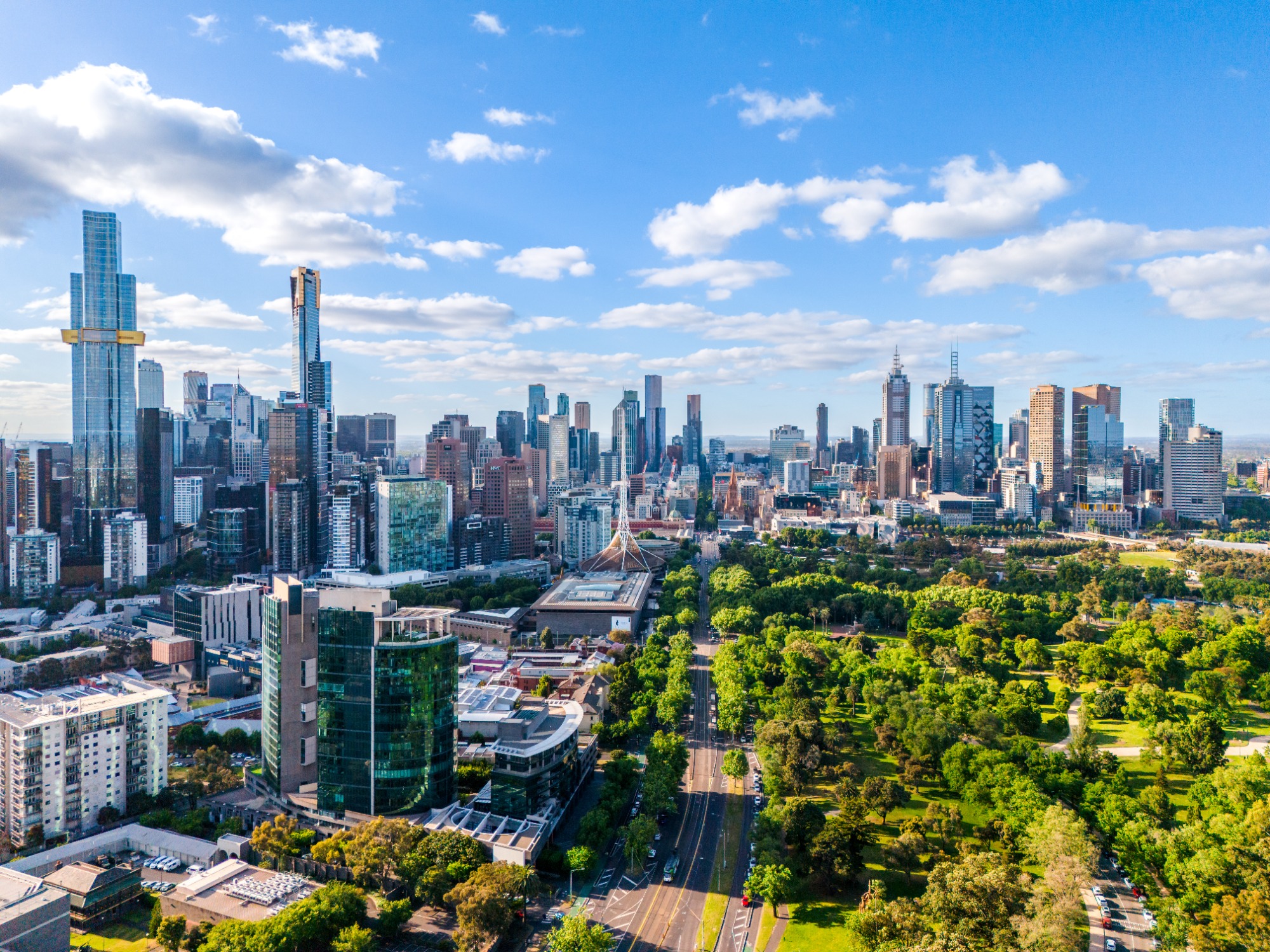
Newly released maps show proposed locations and building heights for housing near Melbourne’s busiest train and tram lines, as the state seeks community feedback.
Victoria is calling on local communities to have their say on the latest draft maps revealing proposed building heights and boundaries for new homes across 23 areas that have been designated “train and tram zone activity centres”.
These zones form part of a broader plan covering 50 activity centres, which are expected to enable more than 300,000 new homes close to transport, jobs and services by 2051.
The state has released draft plans for 23 train and tram zone activity centres across Melbourne. Picture: Getty
Some of the final plans to be released, these 23 zones are designed to deliver more housing along many of Melbourne’s busiest transport corridors, including in Caulfield, Toorak, Armadale, Malvern, South Yarra, Prahran, Windsor, Blackburn and others.
In 2025, the state opened consultation on the first 25 zones and has now released maps for the final 23. These also include four smaller “neighbourhood centres”, aimed at planning for more modest growth.
The remaining two inner-Melbourne centres, which cover the entire local government areas of Melbourne and Yarra, will go through a separate consultation process.
Victorian minister for planning Sonya Kilkenny said the reforms were designed to help people live closer to public transport and everyday amenities.
“Whether it’s making it easier to build homes close to public transport, townhouses in our inner suburbs, or family homes with a backyard – our planning reforms are all about giving more Victorians real housing choice,” Ms Kilkenny said.
Across the centres, five are connected to the new Metro Tunnel, which opened in late 2025. Eight centres are located along the Frankston line, including one neighbourhood centre, while four sit along the Sandringham line and three are on the Belgrave and Lilydale lines.
Meanwhile, two neighbourhood centres are located along the Alamein train line, and one sits on the Route 58 tram line.
How the draft activity centre zones work
As with the first set of activity centres, each draft map divides centres into two areas: a core and a catchment.

How the core and catchment sections will work across each activity centre. Picture: Engage Victoria
The core areas allow for more homes in taller apartment buildings, with proposed heights ranging from six storeys to up to 20 storeys in some locations.
Catchments surround the core within each activity centre and propose lower height limits, with a focus on low-rise apartments and townhouses.
Inner catchments, typically within a five-minute walk of the station or centre, propose height limits of four storeys, or up to six storeys on larger blocks of more than 1000 square metres.
Outer catchments, generally within a ten-minute walk, propose height limits of three storeys, or up to four storeys on blocks larger than 1000 square metres.
The draft maps are now open for community consultation throughout February and March, with residents invited to provide feedback on building heights, setbacks and boundaries.
During the first round of consultation, more than 1000 people attended in-person or online sessions, and more than 3000 submissions were received.
More information on the draft maps is available on the Victorian government’s website.
Are you interested in learning more about buying and building new? Explore our New Homes section.