
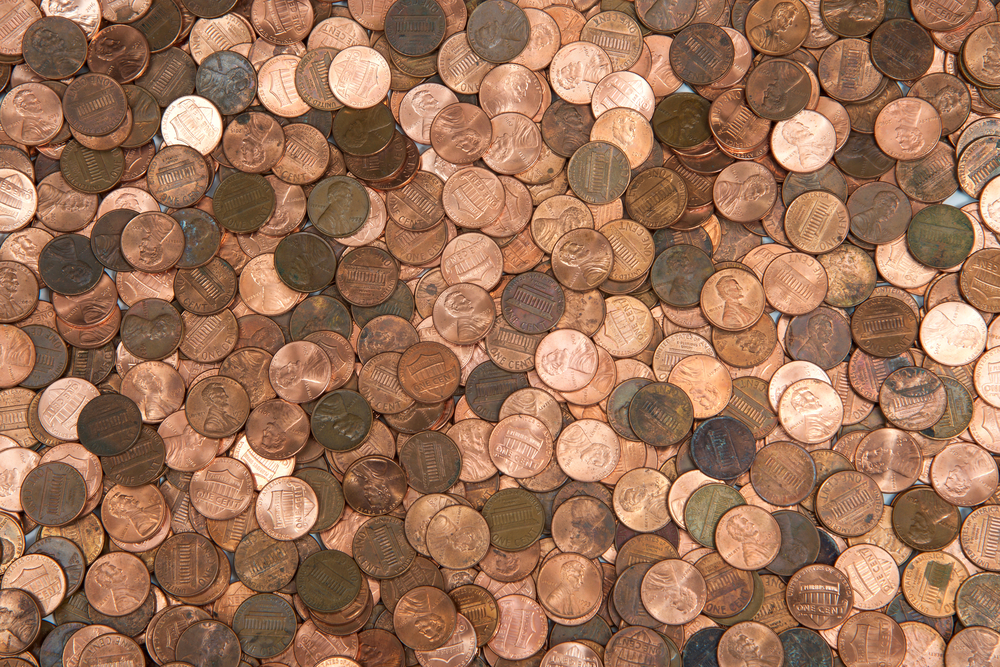
When I was a child used to read the Duck Tales comics, which were the story of Donald Duck and his family. Donald’s Uncle, Scrooge, was a billionaire with a massive money bin full of coins that he’d go swimming in. This got me thinking, how much would it take to fill up his money bin – probably a lot. And, what kind of coins would do it – probably a lot. I’m thinking 600,000 in pennies. And how much is 600,000 pennies in dollars, anyway?
How Much Is 600,000 Pennies Worth?
Doing the math is pretty simple. As part of the Coinage Act of 1792, Congress set the value of a dollar at 100 pennies. So, you simply divide 600,000 by 100 to get the number of dollars. Or, 600,000 / 100. This gives you $6,000.
So, how many dollars is 600,000 pennies? It’s $6,000.
Here Are Some Interesting Facts About Pennies
1. Pennies were historically made out of 100% copper. However, modern pennies are mostly made out of Zinc. Only 2.5% of a modern penny is copper.
2. Before 1850, pennies were made out of copper from Cornwall, England. After 1950, the mint used copper from Michigan.
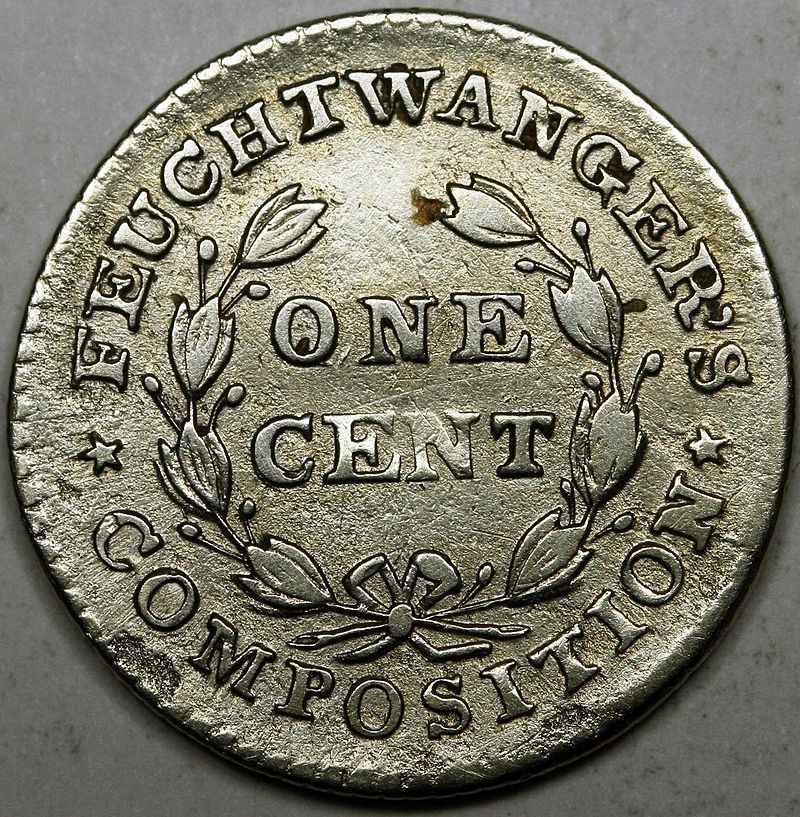
3. Per Wikipedia, pennies used to be much larger. For example, in 1857, the penny was about the size of a Susan B Anthony dollar. Pre-1857 pennies looked about like this:
4. Modern pennies weigh about 2.5 grams. Thus, 600,000 pennies weigh about 1.5 million grams. This translates to 3,306 pounds and 14.9 ounces.
5. There are 84,480 pennies in each mile. This is because 16 pennies laid side by side constitute 12 inches, or one foot. And since there are 5,280 feet in one mile, that gives us 16 * 5,260, or 84,480 pennies in a mile.
6. Unlike other coins, pennies have smooth edges.
7. Due to changing commodity prices, sometimes the value of the copper in pre-1982 US pennies is worth more than its face value. However, melting down pennies is against U.S. Treasury regulations and could get you into trouble.
8. The official U.S. Mint’s name for the penny is the “cent”. The official name from the U.S. Treasury is a “one-cent piece”. The colloquial term “penny” is not an official US government designation.
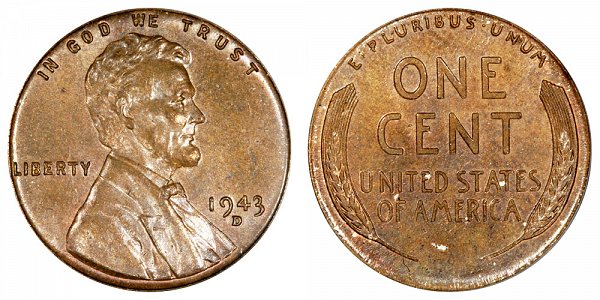
9. The most valuable pennies are wheat pennies from 1943 and 1944. Some of these have a very high value for collectors. For example, the 1943 D Lincoln Wheat Cent Bronze/Copper shown below has a price tag of over $2,000,000.
10. Pennies are great for talking about compound interest. Saving Advice has a great article that asks if you’d rather have a million dollars or a penny doubled every day for 30 days. Hint: You want to choose the penny doubling every day for thirty days. At the end of the 30 days, you’d have $5.36 million.
The Future of the Penny
The penny’s long run has officially come to an end. On November 12, 2025, the U.S. Mint struck its final batch of one‑cent coins, closing the book on more than 232 years of production. Rising costs were the driving factor: while a penny is worth one cent, it has cost the Mint between 1.42 cents and 3.69 cents to produce each coin in recent years. With cash usage declining and billions of pennies already in circulation, the Treasury determined that continuing production was unsustainable.
What Happens Next
- Legal Tender: Pennies will remain legal tender indefinitely. You can still spend them, deposit them, or save them.
- Circulation Shrinkage: With no new coins being minted, the supply will gradually shrink as pennies wear out or are lost. Retailers may begin rounding transactions to the nearest nickel.
- Collector Value: The final 2025 pennies are expected to become collectibles, especially uncirculated versions from the Philadelphia Mint. Older copper pennies and rare wheat cents may also rise in value as interest grows.
- Cultural Shift: For generations, pennies were used in coin flips, lucky fountains, and everyday transactions. Their disappearance marks not just a financial change, but a cultural one.
Bigger Picture
Ending penny production reflects broader trends in digital payments and cashless commerce. As Americans increasingly use cards and mobile wallets, small‑denomination coins have less relevance. The penny’s retirement is both a cost‑saving measure and a symbolic step toward a more modern financial system.
While 600,000 pennies may only add up to $6,000, the exercise reminds us that even the smallest denominations can carry big lessons. From their quirky history and surprising weight to their role in teaching compound interest, pennies prove that money isn’t just about face value—it’s about how you use it. Just like Uncle Scrooge’s money bin, the real treasure isn’t the coins themselves, but the financial wisdom they inspire. Whether you’re stacking pennies or building wealth through smart saving and investing, the principle remains the same: small steps, multiplied over time, can lead to extraordinary results.
What to Read Next
- How Much Is A Million Pennies Worth?
- Coinbase Makes Major Political Moves Following SEC Case Resolution
- What Trump’s Presidency Could Mean For Meme Coins
- Why Some Couples Feel Empty Even With Everything Money Can Buy
- 6 Money Mistakes to Avoid During Market Volatility