
Convincing prospects to convert requires more than just offering high-quality products at fair prices. Yes, these factors do influence consumer behavior during the buyer’s journey. But they’re far from being enough to truly boost conversion rates.
Brand trust is a key element of a successful sales strategy.
Research suggests that 88% of people consider it to be a top purchase-influencing factor. Even more impressively, a credible brand reputation can help you sell more, charge more (yes, 87% of shoppers would pay more for products by brands they trust), and retain more loyal customers.
Let’s look at how B2C brands can build credibility and reassure hesitant shoppers, guide them through the sales funnel, and convince them to convert.
Understand Niche-Specific Credibility
The traditional method of building brand credibility relies on showcasing social proof. But the thing is that generic ratings and reviews may not be sufficient to earn customer trust in your specific niche.
That’s why one of the best ways to reassure hesitant shoppers is to understand what constitutes valid credibility signals for your brand’s niche. Then, incorporate these signals into your online presence (especially at key points of the buyer’s journey).
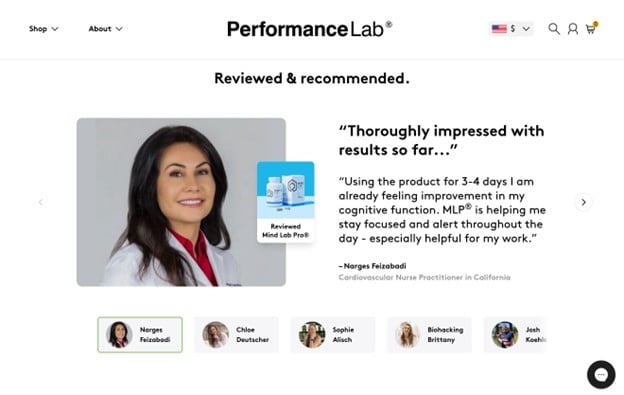
For example, Performance Lab understands that it operates in a highly specialized, low-trust industry. So, instead of showcasing customer feedback to build brand trust, it prioritizes specialist testimonials over traditional shopper reviews.
Source: performancelab.com
Clarify Value Fast: Above-Fold Messaging That Reduces “Is This Brand for Me?” Doubt
Consumers form brand impressions almost as soon as they land on a homepage. And these initial impressions automatically determine their confidence and purchase intent.
So, if you want to position your business as a credible entity and ensure that web visitors are willing to invest in your products, do your best to clarify value fast.
Above-fold messaging is perfect for this purpose because it’s where web users spend the majority of their page-viewing time. All you have to do is focus on reassuring potential customers that your brand and products are the right fit for their needs.
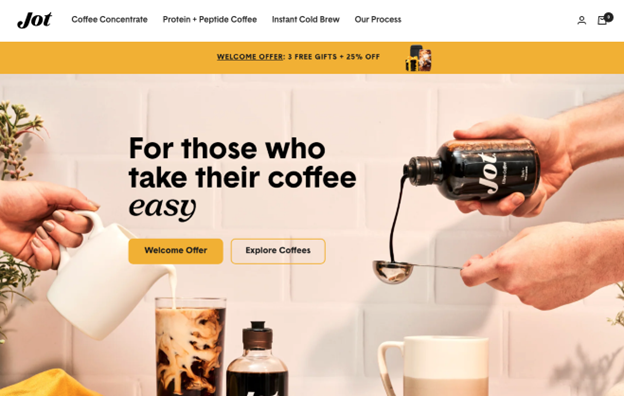
Jot’s “For those who take their coffee easy” value proposition perfectly describes the unique benefit its product offers — pre-made, high-quality coffee that removes the frustration of buying overpriced brews or waiting in line at a coffee shop.
Source: jot.co
Show Authenticity: Real-Life Product Photos That Ease “Will It Look Like This?” Skepticism
When it comes to building brand credibility, third-party content consistently outperforms what brands say about themselves.
According to research, consumers love seeing user-generated content from brands. In fact, 84% would be more likely to trust a business that employs this type of content. And 77% would be more willing to purchase.
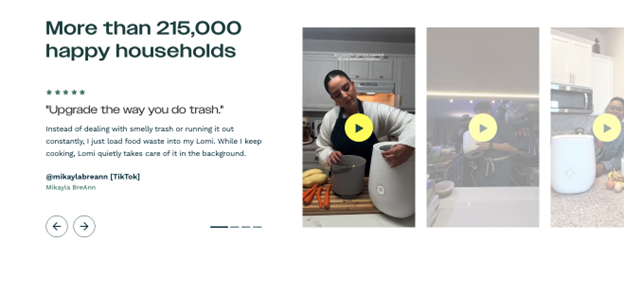
So, instead of allowing your audience’s skepticism to harm your conversion rates, simply reassure them through authentic user-submitted visuals. Lomi does it beautifully by embedding UGC videos on its homepage, which show exactly what its product looks like in real life.
Source: lomi.com
Maintain a Consistent Brand Identity Across All Footprint Channels
People trust businesses they’re familiar with. That’s why 82% of internet users tend to choose a familiar brand for their first click on Google. Or why people choose to eat at well-known chain restaurants and coffee shops when traveling abroad.
With this in mind, building brand credibility and reassuring hesitant shoppers could be as easy as guaranteeing that your target audience remembers and recognizes your brand.
By maintaining a consistent brand identity across all footprint channels, you’ll maximize familiarity and trust, and make it easy for prospects to choose your products over alternatives they’re not as familiar with.

We earn a commission if you make a purchase, at no additional cost to you.
Be Bold and Transparent with Shopping Policies
In today’s world of abundance, consumers want to make sure they’re spending their hard-earned money with brands that deliver genuine value. That’s why 77% of people prioritize convenience when choosing brands to shop. Moreover, it’s why 59% of consumers would lose trust in a company that offered a poor experience.
The good news is that bridging the gap between CX and brand credibility doesn’t have to be challenging.
In fact, simple actions — such as being transparent about shopping policies — effectively set and manage consumers’ expectations. Additionally, they make it easier for your brand to fulfill its promises and not disappoint new customers.
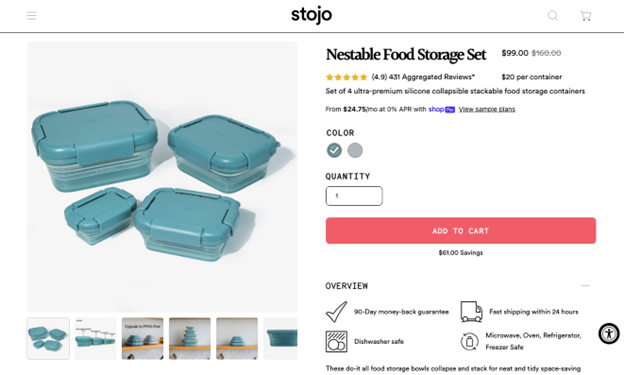
Check out how Stojo utilizes its shopping policies to build brand trust. On product pages, this business points out that its products include a 90-day money-back guarantee and 24-hour shipping.
Source: stojo.co
Highlight the Availability of (Pre-Sale and Post-Sale) Human Support
In addition to CX, customer support also impacts brand credibility. In fact, research shows that good customer service makes 32% of people more likely to trust a brand.
Want to position your business as a credible and dependable entity? Do your best to highlight the availability of human support. Remember, customer service is just as important in the pre-sale period of the buyer’s journey as it is post-purchase. So do your best to account for both in your customer care strategy.
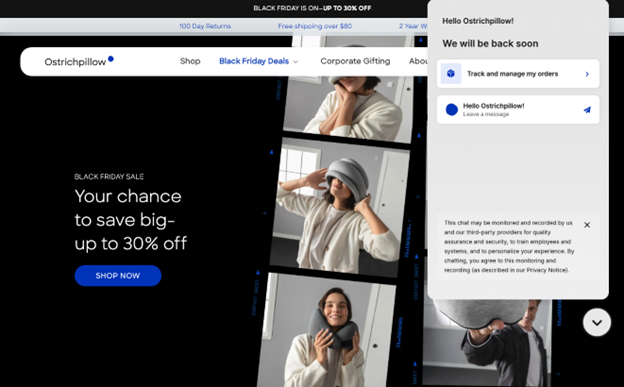
Ostrichpillow does this beautifully with a chat option on its website. Shoppers can ask for assistance during the evaluation stages of the buyer’s journey as well as request support regarding past purchases.
Source: ostrichpillow.com
Explain Product Benefits from the Customer’s Perspective
When it comes to nudging potential customers toward a conversion — especially those who are hesitant about the effectiveness of your solution in solving their specific pain points — nothing works better than user-centricity.
Consumer behavior research shows that people ignore marketing messages that aren’t relevant to their experience. On top of that, it suggests that personalization is a key element of a high-converting sales tactic.
With this in mind, one of the best tricks to remove common conversion obstacles from your audience’s buyer’s journey is to explain your products’ benefits from a customer-centric perspective.
Don’t dwell on technical specifications and features. Instead, do your best to communicate what your customers get when shopping with your brand.
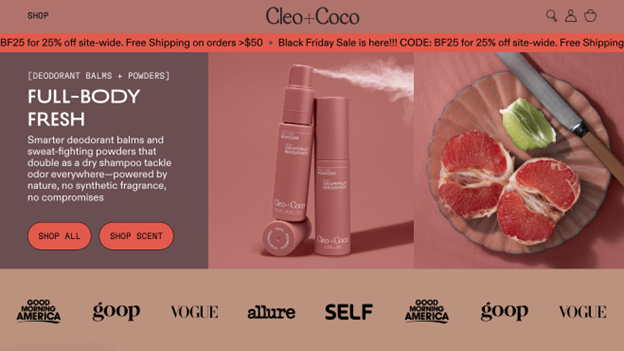
Cleo+Coco, for instance, describes its products as “smarter deodorant balms and sweat-fighting powders that double as dry shampoo to tackle odor everywhere.”
Source: cleoandcoco.com
Develop Meaningful Relationships with Relevant Brand Ambassadors
Consumers don’t always trust brands. But they do have confidence in relevant scientists, experts, and influencers.
So, to position your business as a credible entity, develop meaningful relationships with relevant brand ambassadors.
In addition to choosing to collaborate with influencers who have a wide reach, try to prioritize expertise, authenticity, and alignment with your target audience’s preferences.
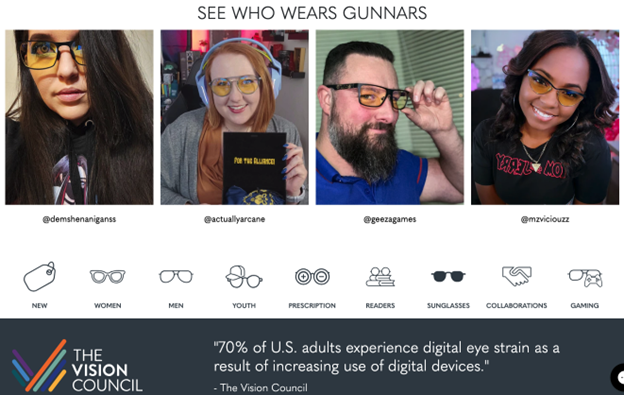
For example, Gunnar carefully chooses to collaborate with influencers active in the gaming industry, knowing that its primary target audience consists of people using blue-light blockers to make late-night game sessions more comfortable.
Source: gunnar.com
Align Your Brand with Relevant Social Causes
The values your business stands for tremendously impact consumers’ perception of your company.
Edelman’s research discovered that 53% of people will assume that your brand is doing nothing or is hiding something if you don’t speak out about relevant issues (like sustainability or social causes).
That’s why establishing a positive and trustworthy brand reputation may require you to align your brand with relevant social causes.
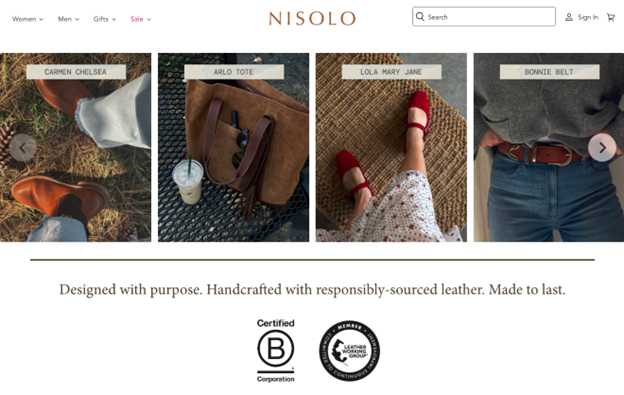
What’s helpful is that this can be really simple. Just look at how Nisolo implements this tactic on its homepage, where it states that its products are “handcrafted with responsibly-sourced leather” and points out that it’s a certified B-Corp.
Source: nisolo.com
Ensure Your Website Is Fast, Reliable, and Secure
A positive website user experience doesn’t just present your brand in a professional light. It’s also a key aspect of your target audience’s shopping experience.
So, to ensure your target audience perceives you as a credible, competent business, pay attention to website performance.
Fast, reliable, secure, and mobile-friendly sites are far more likely to engage and delight customers than their buggy or clunky counterparts. So, pay attention to these KPIs and optimize your website to maximize conversions.
Actively Engage with Social Media Followers
Consumers don’t really appreciate sales messaging — particularly not when it feels intrusive.
Yes, they’re interested in discovering new brands and products. But they don’t want to be overtly sold to.
In fact, most research suggests that aggressive sales tend to harm purchase intent, mainly because they position your brand as a business focused solely on profits.
To avoid this scenario, try to show your prospects that you care about them — even if they don’t buy your products. One of the best ways to do this is to actively engage with social media followers.
Answer questions. Invite interactions. Provide pre- and post-purchase support via social media. Last but not least, try to make the vibe more laid-back than shopping-oriented. This is something that Loftie does quite well on its Instagram profile:
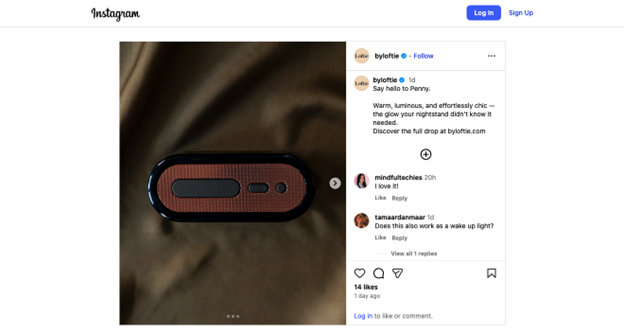
Source: instagram.com
Summing Up
Guiding your prospects toward a buying decision is much easier if your audience trusts your brand. That’s why building brand credibility and removing conversion obstacles is so important for your sales strategy.
The tactics outlined in this guide are all fairly simple. However, they still work great if you’re trying to elevate prospects’ confidence and purchase intent. So don’t hesitate to give them a go. You’re quite likely to see positive outcomes. Plus, the best part is that you can adjust any of these methods to your brand’s unique needs, ensuring that they provide truly impressive outcomes.
Image by Freepik