
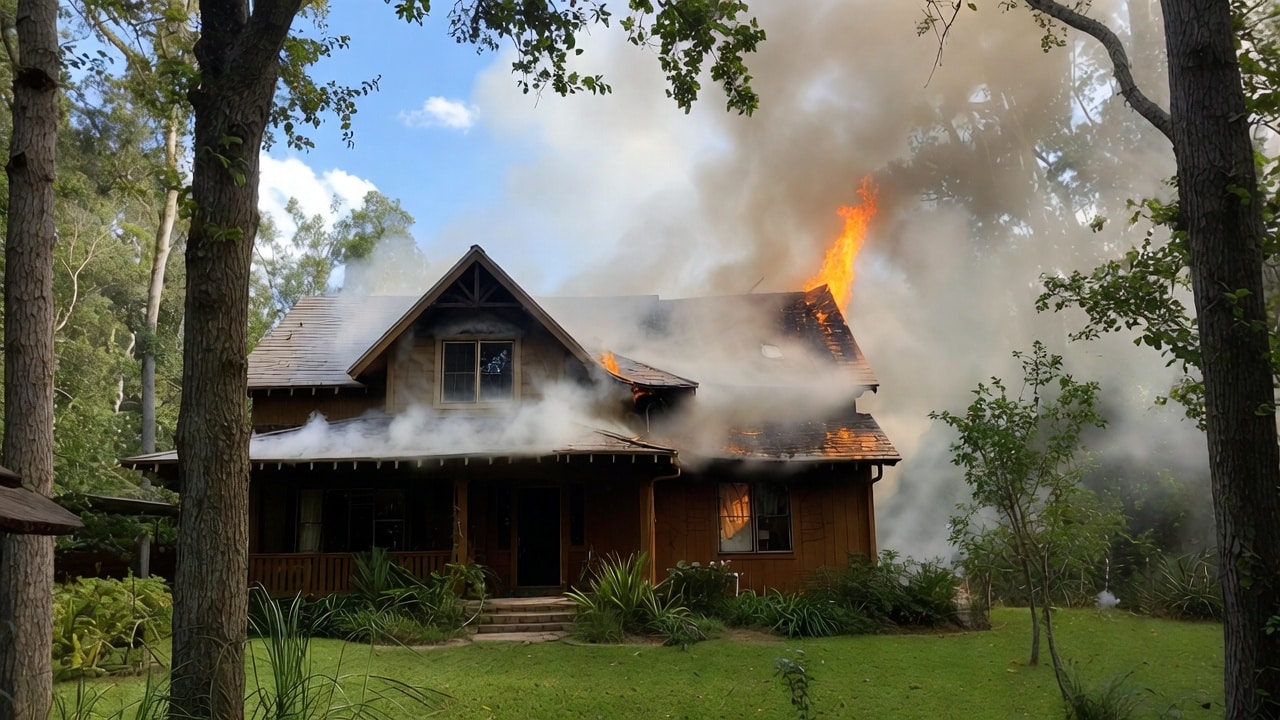
I’m back in Honolulu for the winter holidays, visiting my parents, and I’ve been looking forward to this trip for months. Especially after spending about $41,000 remodeling and furnishing a neglected two-bedroom in-law unit attached to their home.
The goal was simple: test whether the in-law unit could comfortably house my wife, daughter, and son. My wife and daughter would each get one room, and my son would get the sofa bed in the living room. I would sleep in the main house, as I’d be the least disruptive to my parents. This arrangement would hopefully provide for maximum sleep comfort.
You see, our daughter isn’t a good sleeper. This past summer, my wife had to sleep with her in the main house for five weeks. Her sleep was disrupted almost every night as a result, and it was miserable.
Watching her go through that, I was determined to get the in-law unit finished before our next family trip. I wanted everyone to have their own space and get proper rest, a rare and undervalued commodity when traveling with kids, unless you can spend a fortune on vacation housing.
The In-Law Unit Almost Wasn’t Fully Ready To Go
The remodeling process was straightforward in theory, but execution was a different story.
Despite ordering furniture in July 2025, the dining set didn’t arrive until early November. The store repeatedly promised delivery, only to postpone it due to “warehouse issues.” After the second tease, I left a negative review. Miraculously, a manager finally stepped in, found the furniture, and rerouted it from another shipment.
Even longer than the furniture delay was getting the refrigerator and washer-dryer from Best Buy. Ordered in early July, they finally arrived only on November 28, a week after my sister and I surprised my dad for his 80th birthday. I honestly can’t imagine how Honolulu remodelers properly plan around such long delays.
Luckily, while I was in San Francisco, the fridge fit through one of the in-law unit’s doors, the water hookup was installed, and there was enough space for the door to open fully. Best Buy installers confirmed the washer and dryer were operational. My parents, who were hesitant to test new appliances, were satisfied that everything looked fine.
I was confident that as long as there were no leaks or defects, testing the appliances myself upon returning would be good.
House Almost Caught Fire
The washer ran smoothly, aside from a few soap suds bubbling up at the drain. I’m assuming it’s nothing serious as we did open the walls to change the leaky pipes this summer. We’ll just wash smaller loads and use less detergent next time.
Then came the dryer. My wife loaded it and set a quick 30-minute test run. After 17 minutes, a burnt plastic smell filled the room. She stopped the machine and called me over. Something was seriously wrong.
I went outside to check the vent. That’s when I found a half-burned, half-painted metal mesh ball plopped in front of the vent. I could smell burnt metal, paint, and plastic. My first thought was, “Well, that explains the smell.” Perhaps my aunt had shoved the ball in there to prevent geckos and bugs from coming inside.
We ran the dryer another 13 minutes to complete the cycle while airing out the laundry room. The burnt smell still lingered, but it didn’t seem to get worse. Problem solved, or so I thought.

The Burning Smell Returns
The next day, we could still smell something burnt, so we stopped using the newly installed AC units in case they were the cause. I also pulled the fridge another 1.5 inches away from the wall just to be safe. It was a processor elimination. By the afternoon, the smell had gone away.
So two days after first testing the dryer, we decided to test it again. Unfortunately, the smell came back after just ~12 minutes this time. The vent was clear, but the burning plastic and metal smell returned. What in the world?
I then checked the dryer plug and it was burning hot to the touch. I turned off the dryer and waited 10 minutes, then unplugged it. One prong was burned, and the electrical receptacle itself remained hot.
I did some research online and realized what the problem was: the dryer was likely fine, but the receptacle and the wiring were compromised. Once a prong burns, the cord must also be replaced. Reusing it is a serious fire risk as a compromised prong gets hot faster.
The Electrician To The Rescue
I called an electrician for the morning after Christmas. He opened the receptacle and confirmed my suspicions: the positive wire was burned, likely from a loose screw over 55 years when the home was first built. Past leaks may have contributed.
The plug had been heating to 300+ degrees internally every time we ran the dryer, which could have easily ignited lint, drywall paper, or wood framing during a normal 60-minute cycle. That’s how electrical fires start. First internally, then externally.
It turns out breakers trip on excess current, not excess heat. And because I had an old three-prong outlet without a dedicated ground wire, the dryer had no built-in protection to trip the breaker during a surge.

The Fix
The electrician initially brought a three-prong cord he bought on the way from Home Depot, matching the existing outlet. After discovering four wires in the box, I gave the go ahead to upgrade to a four-prong receptacle, which is now standard code and includes a dedicated ground wire.
He picked up a new cord and receptacle from a local hardware store and installed them in about 1.5 hours. I turned on the breaker, watched the dryer for 20 minutes, and the plug stayed cool. No burning smell, no overheating, nothing. Thank goodness!
I couldn’t believe it. I almost burned down my parents’ house twice in one week.
If a fire had started, my parents might not have known for 10 to 20 minutes, giving it time to spread, since they live in the main house. By the time they smelled smoke, they would have had to scramble to figure out what to do. Even if they were calm enough to call 911, it might be another 5-10 minutes before a fire truck would come.
Luckily, we were home both times and shut off the dryer as soon as we noticed the smell. Normally, we would let the dryer run and head to the beach for a couple of hours before lunch. But not this time.
The total cost to fix the issue was $266, which felt like a win since I had been guesstimating $400 to $500 based on San Francisco prices. I paid the electrician via Venmo with my poker winnings. Thank you pocket kings for holding up last week against a nut flush draw!
Lessons Learned About Home Appliance Fire Prevention
- Check wiring before installing a new appliance. Make sure the receptacle and the home’s total amperage can handle the load. Dryers, space heaters, hot tubs, and ovens draw the most electricity, while microwaves and hair dryers use high power only briefly. If you’re buying the house, turn on all these appliances at the same time to see if any breakers trip.
- Upgrade old outlets. Replace three-prong outlets with four-prong outlets wherever possible. The dedicated ground wire provides a low-resistance path during faults and helps the breaker trip faster.
- Inspect internal wiring. Even if an appliance is new, a burned wire inside the receptacle or a loose connection can turn it into a serious fire hazard.
- Don’t leave washers or dryers unattended. Washers can overflow if filters aren’t installed correctly. Lint can plug the sink drain and also cause the dirty water to overflow. Dryers can overheat if wiring or cords are compromised. One small oversight can destroy hours of work or thousands of dollars in remodeling.
- Consider replacing old wiring. If your home still has knob-and-tube wiring, upgrading to modern Romex wiring dramatically improves safety. Home insurance companies likely require this upgrade as well.
- Have a fire extinguisher handy. Get at least one ABC fire extinguisher (rated for electrical, ordinary combustibles, and flammable liquids). Size: 5 lb minimum.
- Unplug everything before leaving for a trip. Although you should have proper breakers in place, if you plan to leave your house unattended for more than several days, you might as well unplug all appliances. The same goes for turning off the main water line. For rentals, view your tenants as guardians of your properties, and ask them to do the same.
I’m incredibly thankful we didn’t leave the dryer running unattended for a normal 60-75-minute cycle. If we had, the $41,000 remodel could have gone up in smoke, and I would have had to start over and spend even more money. Beyond the financial loss, I would have felt completely defeated and ashamed if a fire had started.
All I wanted was to make the in-law unit a livable space for my parents or my family. To have caused a fire despite my best intentions would have been devastating, especially if it caused injury or worse. Please know the details of your home insurance policy before a fire occurs.
Bigger Picture Takeaways
This experience reminded me of something I think about investing: preparation matters, small mistakes compound, and vigilance saves you from catastrophic losses that can take years to recover from. Just like watching your portfolio or reviewing your financial allocations, checking your house’s wiring and testing appliances prevents disaster.
Appliances are like investments. You can have the best intentions and equipment to improve the quality of your life, but if the infrastructure behind them is flawed, your risk is far higher than you realize. Stay on top of your home maintenance like you do your investments.
I use Empower to track my net worth. If you have an account and link more than $100,000 in investments, you can get a complimentary review with an Empower professional. I took advantage of their free offering ten years ago and again this year, and both times I learned something new that helped me build more wealth.
Empower is a long-time affiliate partner of Financial Samurai. I’ve used their free tools since 2012 to help track my finances. Click here to learn more.
Reader Questions
- Have you ever experienced a near-miss with household appliances or wiring? How did you respond?
- If you have an older home, have you upgraded three-prong outlets or knob-and-tube wiring to modern standards?
- What are some other things we should look out for and do to help prevent a fire at home?
Invest In Real Estate Passively Instead
After nearly losing $41,000 in a remodel and imagining a fire destroying everything, I was reminded how stressful managing property can be. Repairs, maintenance, and constant oversight can quickly take over your life.
That is why I turned to passive real estate investing with Fundrise. You get the benefits of real estate, including income, potential appreciation, and diversification, without worrying about leaky faucets, loose electrical wiring, or tenant issues. Fundrise handles the work so you do not have to.
Fundrise is a long time sponsor of Financial Samurai, and I have invested over $500,000 with them so far. You can start with as little as $10, track your progress online, and let professionals manage the details while you focus on what matters most, your life and peace of mind.